

Last month I published a 6,000-word essay about Ukraine in Quillette, following my trip in September. If all went well, my subscribers should have received it in their inbox through the restack function (I’m not allowed to post my Quillette pieces here independently, as they’re normally paywalled).
In case you didn’t read it, here’s the intro:
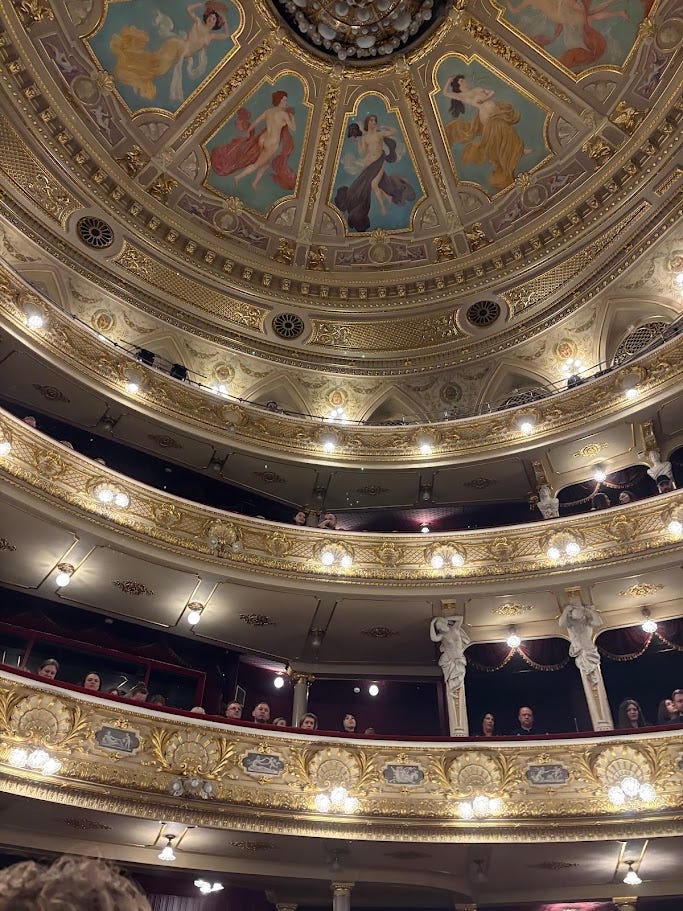
In Charles Gounod’s opera Faust—a romanticised version of Goethe’s more philosophical tragedy—the ageing and decrepit scholar Dr Faust makes a pact with the devil to regain his youth and find love. Last week, I attended a performance of Faust in a splendid classical theatre that could have been anywhere in Europe—except I had to surreptitiously follow the libretto on my phone, since the singers’ French was barely comprehensible and the surtitles were only in Ukrainian.
Had you missed the moving rendition of the Ukrainian national anthem before the overture—the entire audience rising, hands pressed to their hearts—you would never have guessed that this is a country ensnared in a brutal war of attrition, now well into its fifth year. Lviv, in the far west of the country, has been spared the worst of the bombing, but had the performance been scheduled a few hours later, it would have been interrupted by an air-raid alert, with the audience and musicians ordered to take shelter.
Fortunately, we were able to enjoy three and a half hours of undisturbed escapism, right up to the final scene, in which Marguerite dies and is carried to heaven, while Faust kneels in horror and remorse. But the narrative carried a number of eerie reminders of the war still raging across the country. Marguerite’s brother Valentin goes off to war with his friend—named Wagner, like Putin’s mercenary army—and Mephistopheles cruelly predicts that both men will be killed. And then there is Faust’s passionate outburst early in the opera, in which he sings of his jealous longing for youth:
I want youth! Give me pleasures, young mistresses! […] Give me the vigour of powerful instincts, the wild orgies of heart and senses! Ardent youth, I want your desires, I want your raptures, I want your pleasures!
Mephistopheles allows Faust to relive all the carefree pleasures of youth for the modest price of his soul—a tempting bargain indeed. The latter-day Faust in the Kremlin, however, has struck a far more diabolical pact: he has traded away the youth of hundreds of thousands of young men, many of whom never had the chance to enjoy it, and never will. And in return for what, exactly? The old KGB officer is turning 74, and although he is frantically investing in longevity and anti-ageing research, he is rumoured to be in declining health and running out of time. All Putin expects in return for condemning so many to premature deaths is personal vainglory—or what passes for it in his febrile imagination: restoring the mystical bond with the Ukrainian people, resurrecting the mighty Russian Empire, and turning Moscow into a “Third Rome” that will save Christian civilisation.
I am in Lviv with a delegation from Protect Ukraine, a Dutch foundation that supports the Ukrainian nation in its existential fight against the Russian invader. Our guide is the investigative journalist Joris Luyendijk, a former Guardian writer and the author of a book titled Swimming with Sharks about the City of London’s banking world. I have been at loggerheads with Luyendijk in the Dutch culture wars, but in the face of this threat to liberal democracy, none of that matters now. Horrible though it is, a war like this one has the remarkable power to cut straight through all the inconsequential bullshit, reminding us of why we cherish the kind of free societies that allow for culture wars in the first place.
It’s been almost two months now since I watched Faust sell his soul to Mephistopheles in the beautiful city of Lviv, but the plight of the Ukrainians has been on my mind ever since. In fact, this is the second time I’ve written a travel essay about a beleaguered liberal democracy fighting for its survival against an aggressor that has vowed to wipe it off the map (I’m sure you can guess the other one.)

Freezing Ukraine into submission
When I was walking the streets of Lviv and Kyiv in September, the weather was still balmy and pleasant, and the only lethal dangers came from rockets and drones flying overhead. In the coming months, however, the Russians plan to enlist another deadly ally: the brutal Ukrainian winters.
With temperatures dropping to −20 °C or lower, Russia is gearing up for a winter campaign aimed squarely at Ukraine’s energy infrastructure, having already stepped up its strikes on the power grid. Unable to achieve a breakthrough on the battlefield, Putin wants to freeze and starve the Ukrainian population into submission.
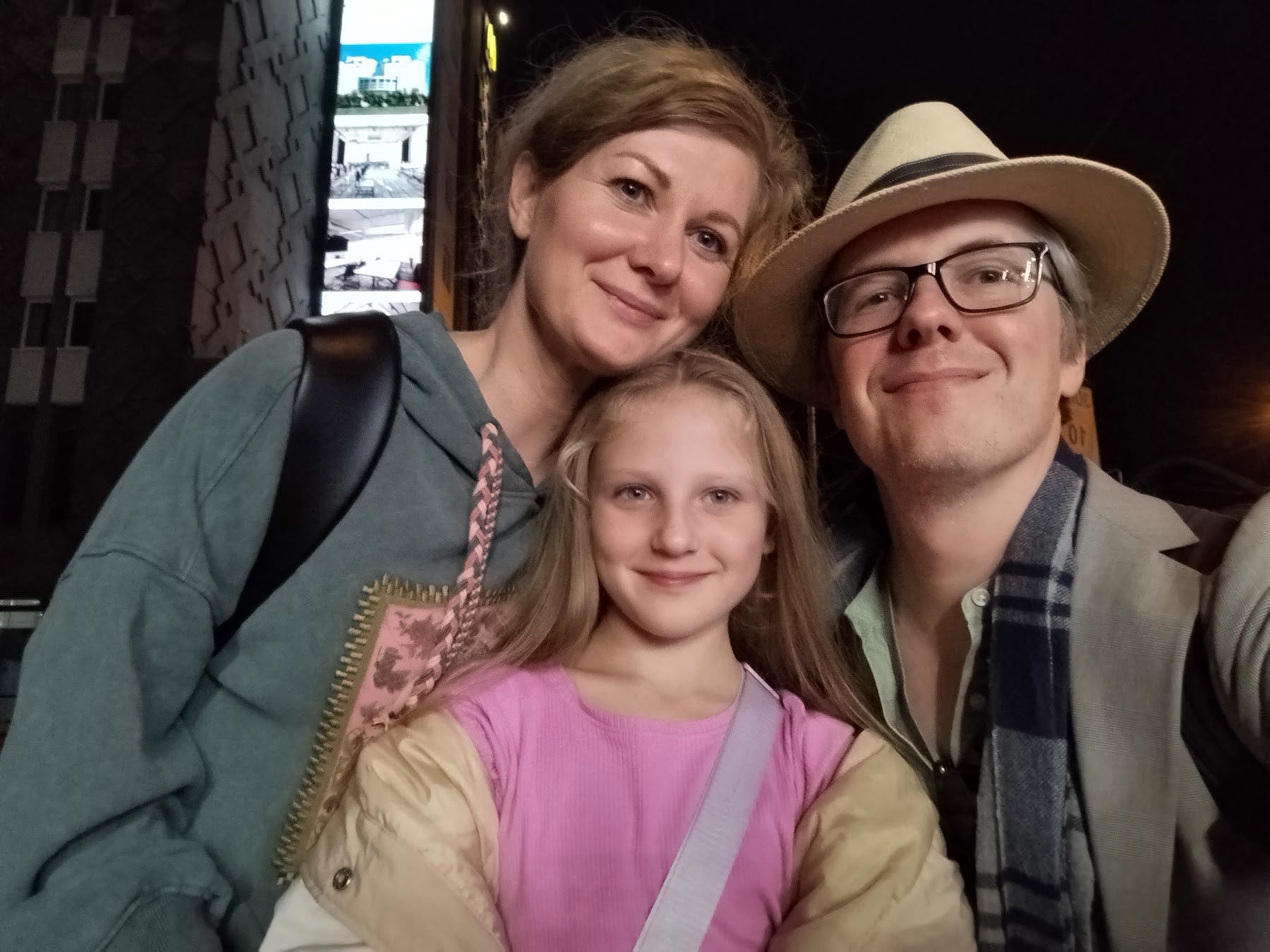
All the Ukrainians I met dreaded the months ahead. My friend Yana from the Heart Institute, whom I met on the train to Kyiv with her nine-year-old daughter Eva (see my essay), recently texted me that the city had just had a power cut that lasted 13 hours. With power stations being scarce and expensive, she might have to move to relatives in the west of the country, who at least have a wood stove. For the time being, Eva is still going to school, which has a large industrial generator capable of powering the whole building, plus a shelter that can accommodate 200 children.
A true “humanitarian”
And yet, this is precisely the moment Donald Trump has chosen to plant several daggers in Ukraine’s back. In a deal that benefits no one but the Russian dictator, Trump agreed to import Russian diesel, violating his own sanctions regime. The White House also temporarily ordered the curtailing of Starshield, SpaceX’s military satellite communications network, hampering Ukrainian drone operations. Trump also lashed out at Zelensky for striking Russian oil refineries (calling the strikes a “disgrace”), blamed him for high diesel prices rather than Trump’s own Iran war, and even suggested that Ukraine needs a new president. Meanwhile, he insists that his “energy ceasefire” is holding, even though Russia keeps pounding Ukrainian energy infrastructure. Worst of all, U.S. special envoy Steve Witkoff praised Putin as a “humanitarian” to his face—a revolting species of Newspeak that would leave even George Orwell gasping.
It is arguably the worst betrayal of Ukraine since the dressing-down Zelensky received in the Oval Office in February 2025, and the ensuing temporary freeze in U.S. military aid and intelligence-sharing. It is hard to believe, but the U.S. is now on the side of the aggressor in a war of invasion against a democracy that once counted America as its friend. As Tom Nichols wrote in The Atlantic last month:
A world in which the White House is allied to the Kremlin was, until now, the stuff of paranoid fiction. Manchurian candidates and red presidents were fantasies, dark tales that Americans told themselves, like ghost stories around a campfire. But this alliance now exists.
If the supposed “leader of the free world” abandons the Ukrainians to their fate, and even wants to force them to surrender, isn’t it up to the rest of us to pick up the slack?
Keeping Ukrainians warm
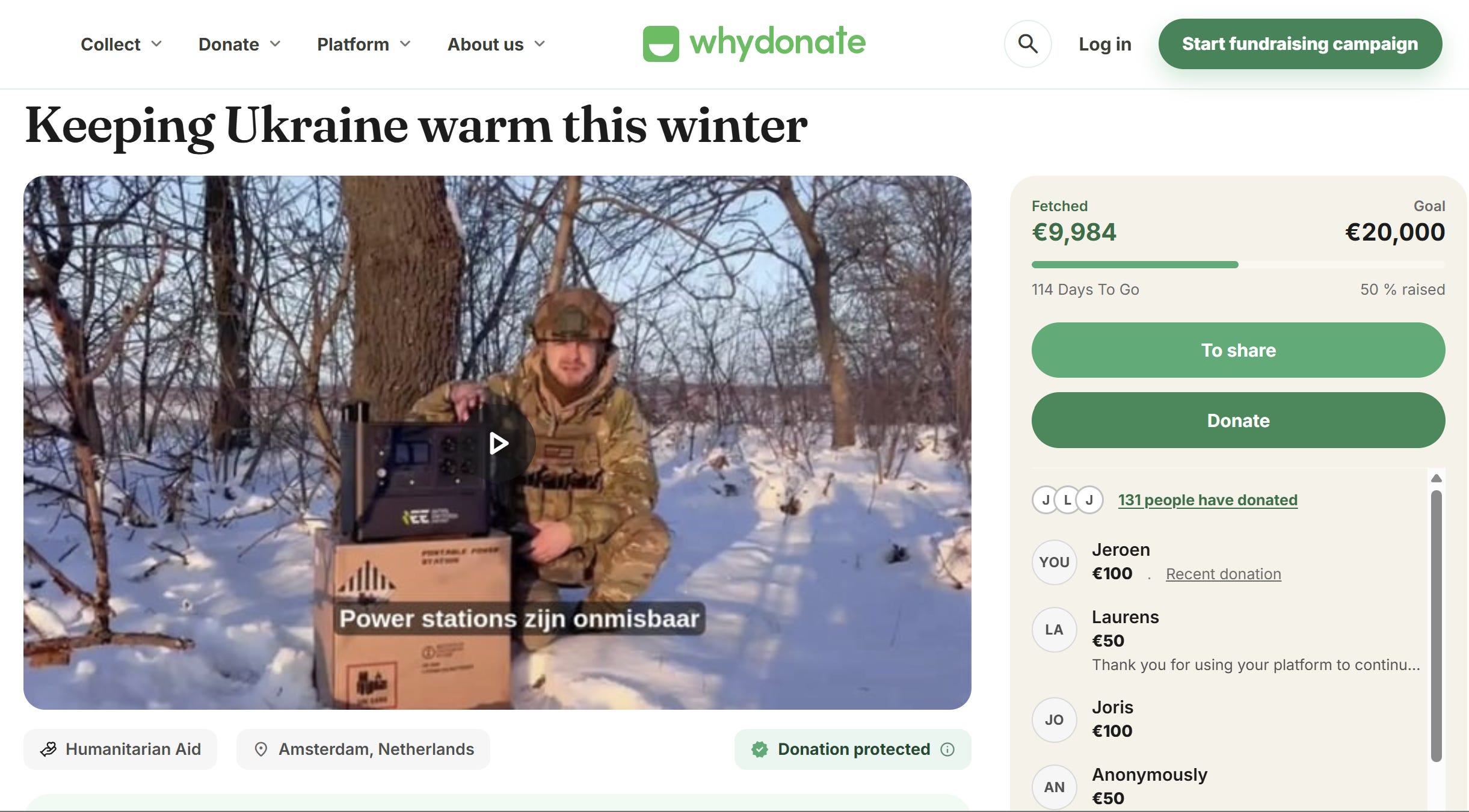
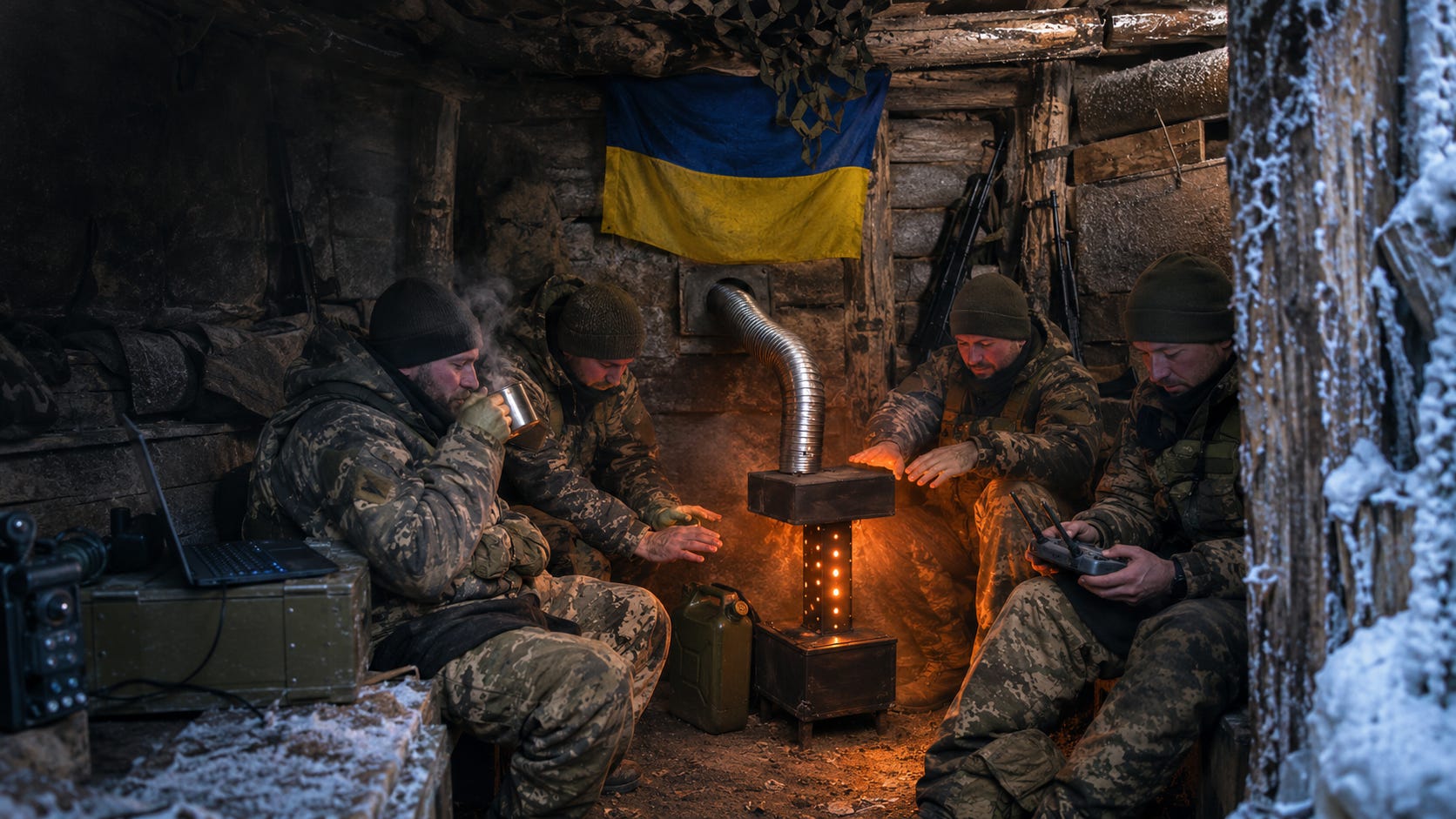
Last week I decided to start my own fundraiser, as part of a campaign by the Dutch Diel Foundation. Our goal is to fund 1,000 generators, 1,000 portable power stations and 1,000 diesel heaters for Ukrainian soldiers who have to spend the winter in trenches and dugouts, often without even a wood stove to retreat to. All this equipment will not only keep soldiers warm, but also protect them from deadly attacks by powering life-saving drones, laptops and communication equipment.
You can find my fundraising page here, linked up with the main campaign of the Diel Foundation. If you want to be a true “humanitarian,” in the non-Orwellian sense, may I gently suggest you make a donation, dear reader? In just a few days, we have already raised over €10,000 (the Diel Foundation’s main campaign stands at €440,000).
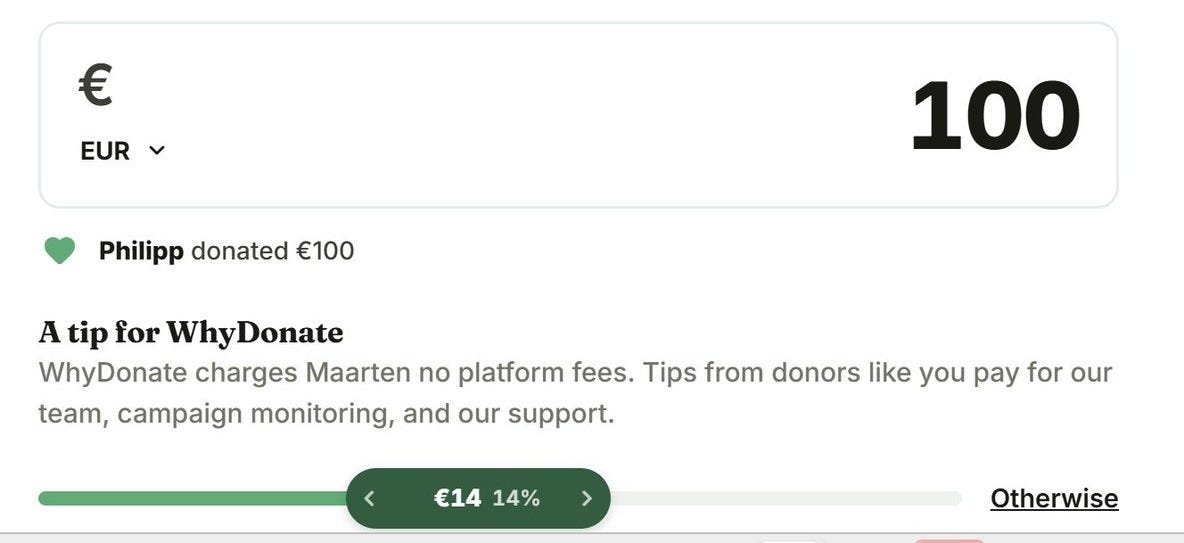
Note that you can dial the suggested fee for WhyDonate down to zero, if you like (or choose a smaller amount than the hefty 14%). Just drag the slider below.
Calculating impact
As an effective altruist, I normally donate to causes that are backed by rigorous scientific evidence of their effectiveness. These are mostly well-tested interventions against chronic problems, such as bed nets against malaria or deworming tablets against schistosomiasis. With causes like these, you can fairly precisely calculate the gains in QALYs (quality-adjusted life years) for every donated euro, and compare them with alternative interventions.
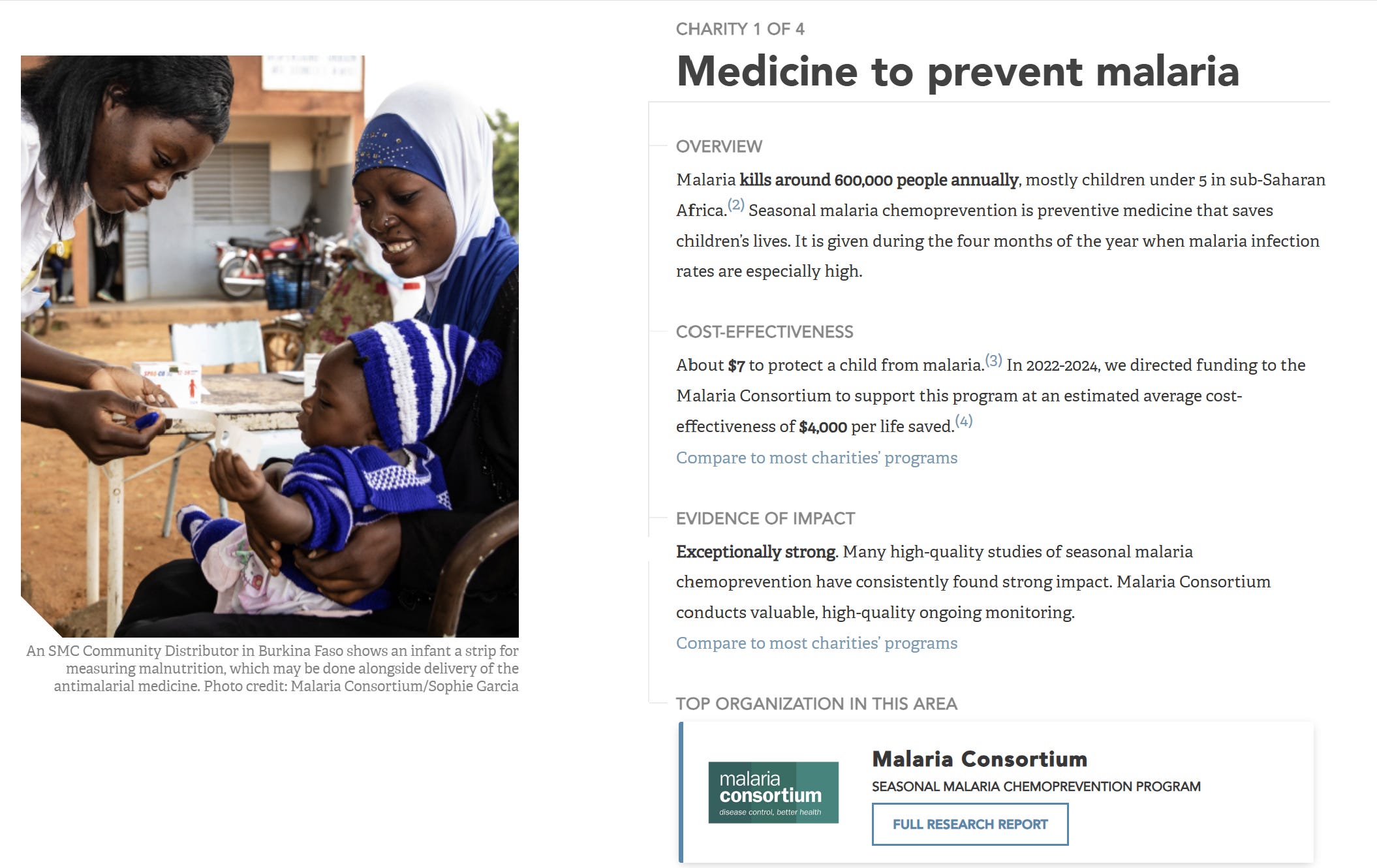
With this effort to support Ukraine, I realize the benefits are much harder to calculate. It’s hard to run a randomized controlled trial to assess the impact on the Ukrainian war effort. In this war of conquest, the biggest one on European soil since the Second World War, there is (luckily) no control group to compare our intervention to.
But the effect of our financial and material support to the Ukrainian army should not be measured only in terms of soldiers’ lives saved. For the rest of us in Europe, the war in Ukraine is also about averting a low-probability, high-impact event that many of us fail to appreciate. What if the Ukrainian front collapses and Russia manages to topple the democratically elected government in Kyiv? The consequences of such a scenario would be catastrophic for all of Europe.
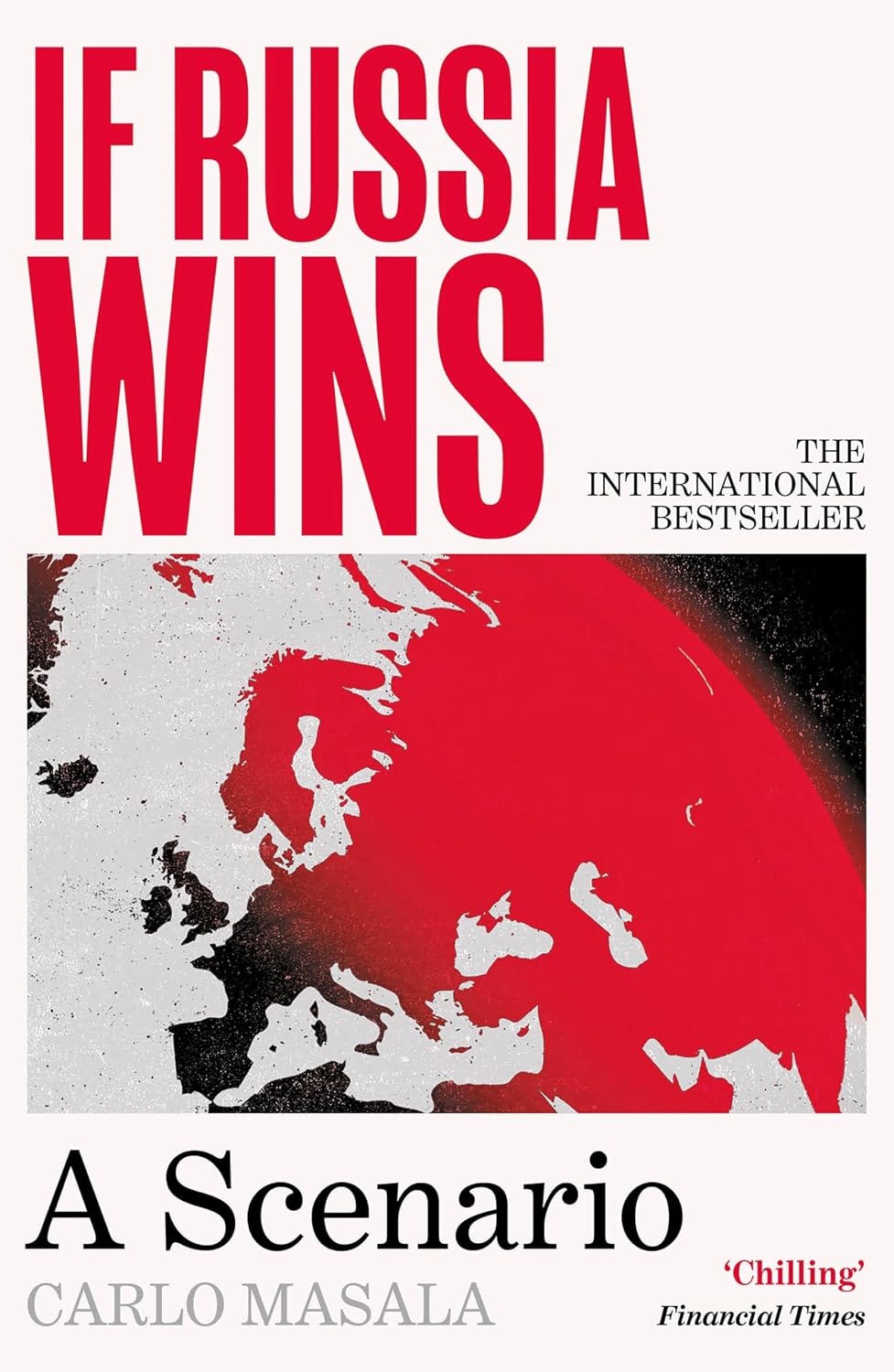
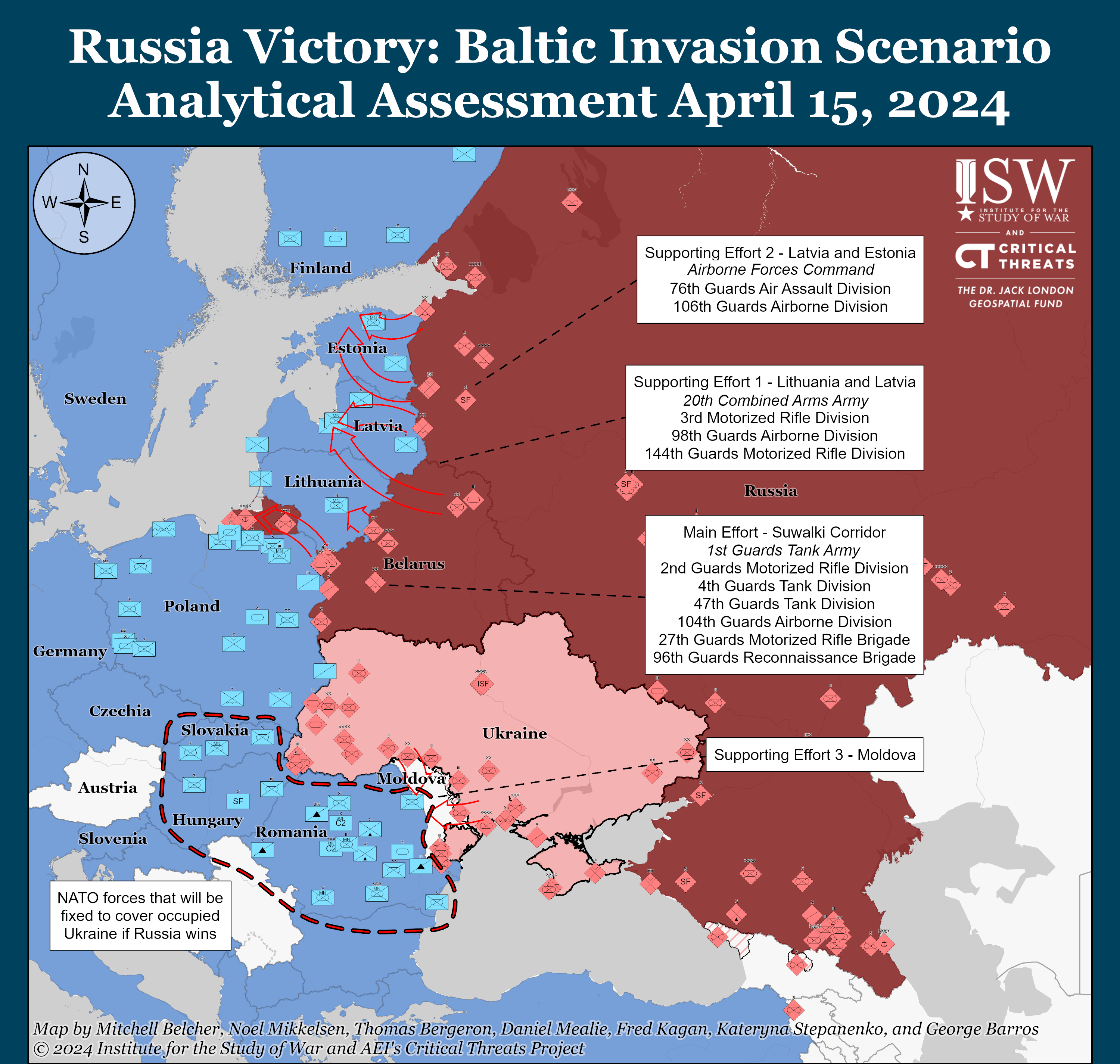
The Russian army would suddenly be on the doorstep of NATO members Poland, Slovakia, Hungary and Romania, as well as Moldova. The largest European army, and the only one with battlefield experience in modern drone warfare, would be obliterated, and much of its drone industry and technical know-how would end up in Russian hands. Russia would conclude that Europe is feckless, having failed to prevent the obliteration of a friendly democracy, just as it failed to prevent the annexation of Crimea in 2014. And it would now have a free hand in the Baltic States, as the Institute for the Study of War wrote in a 2024 report:
The risks of a Russian attack against NATO in the near future would rise dramatically if the US allows Russia to defeat Ukraine now, and the challenge of defending the Baltic States in particular could become almost insurmountable.
There might be even broader geopolitical consequences: quietly watching from a distance, China would likely conclude that the West is a paper tiger and that it can do as it pleases with Taiwan.
When Ukraine eventually sits down to negotiate peace with Russia—as it must, sooner or later—we need to ensure that it does so from the strongest possible position. Beyond the moral imperative of supporting a beleaguered democracy against imperial aggression, supporting the Ukrainian army is also in our enlightened self-interest.
What is at stake
I have to confess that I sometimes feel embarrassed when I realize that my most viral posts (on X or even here on Substack) are about culture-war issues where far less is at stake. As a writer, it doesn’t take long to figure out that angry rants about woke craziness in academia, gender ideology or stupid European climate policy will receive far more clicks and likes than anything related to Ukraine. This is the kind of culture-war catnip I used to spar over with my friend Joris Luyendijk, before we became “brothers in arms” in the battle for Ukraine.
Don’t get me wrong: I think these topics matter too, and I even see them as part of the same fight for Enlightenment values, liberalism and Western civilization. But when it comes to Ukraine, the literal survival of a liberal democracy is at stake—first and foremost Ukraine itself, but also Poland, the Baltic States, and perhaps even the rest of Europe.
If you have ever helped one of my culture-war posts go viral, I’d appreciate it if you checked this one out as well, because I think it’s way more important. 😉 Any donation is more than welcome!
How not to ruin our civilization
If you know of other ways to support Ukraine, by all means do so. Apart from individual efforts—donating money or actually driving a truck of supplies across the Ukrainian border—the most important thing you can do is to convince your elected representatives to keep supporting Ukraine, and not to empower populist parties that want to scale back or suspend military support, such as the National Rally in France or the Alternative für Deutschland in Germany.
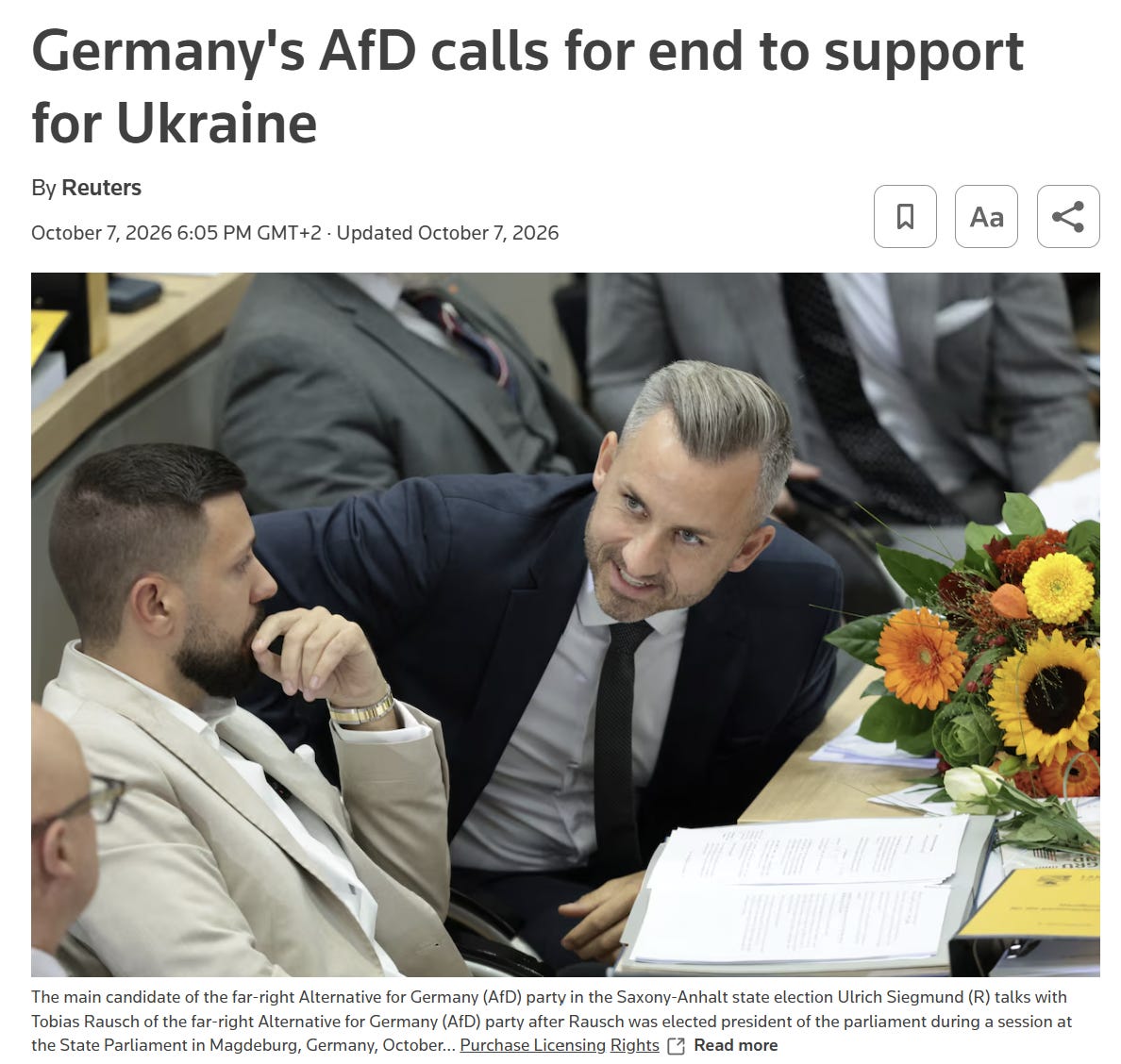
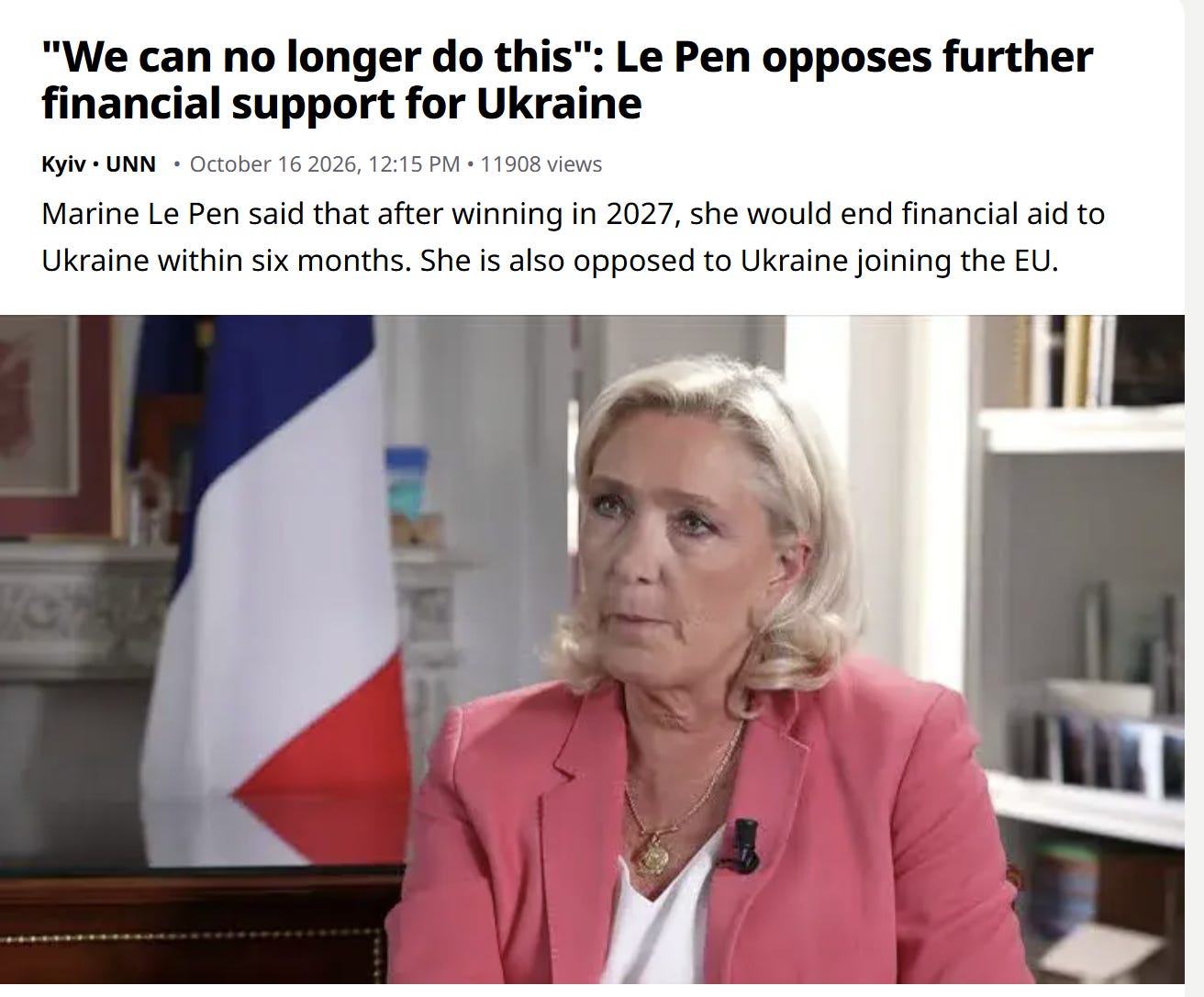
Come to think of it, the best way to achieve that is to help mainstream parties in the West come to their senses about a range of other topics—Islam and mass migration, harmful climate policies, woke shenanigans—which are the main sources of populist appeal. As David Frum once put it: “If liberals won’t enforce borders, fascists will.” And those fascists, whatever else they get up to at home, will drop Ukraine like a stone.
You see, it’s all connected after all!
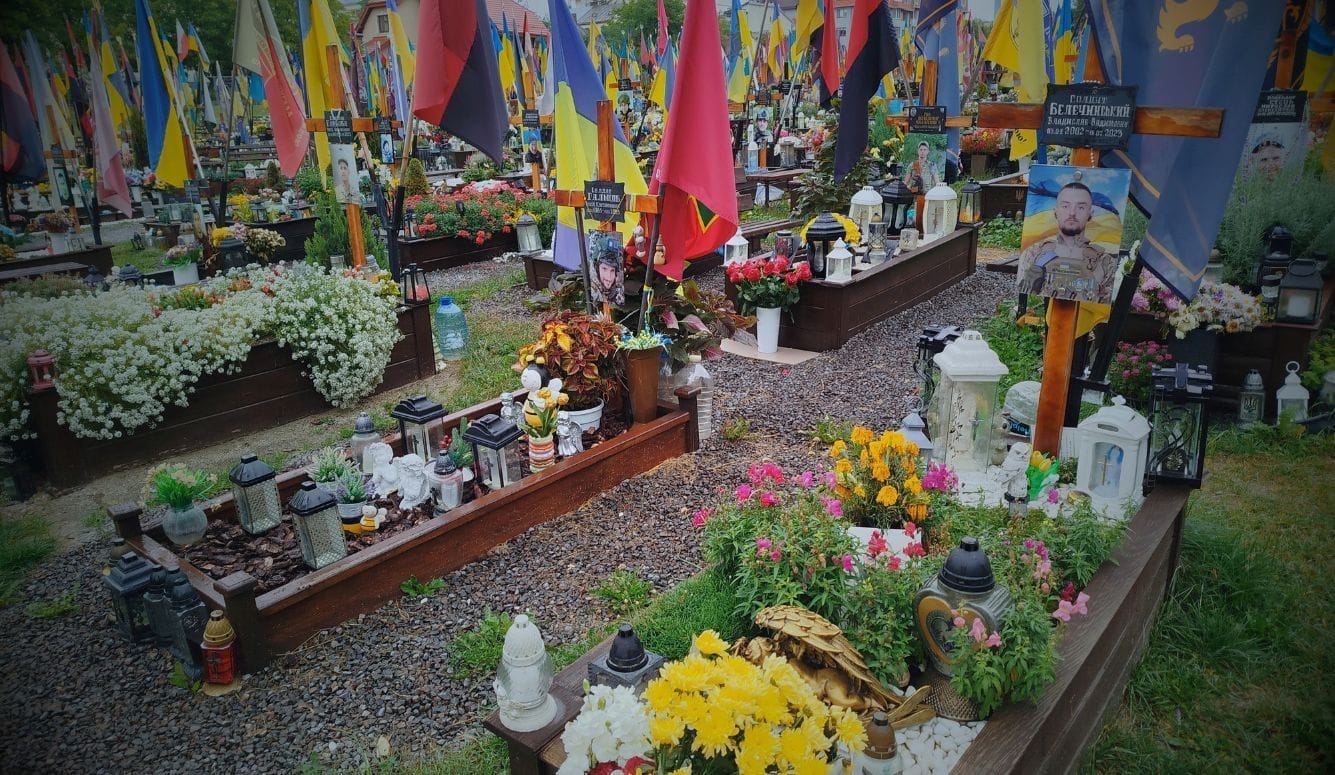
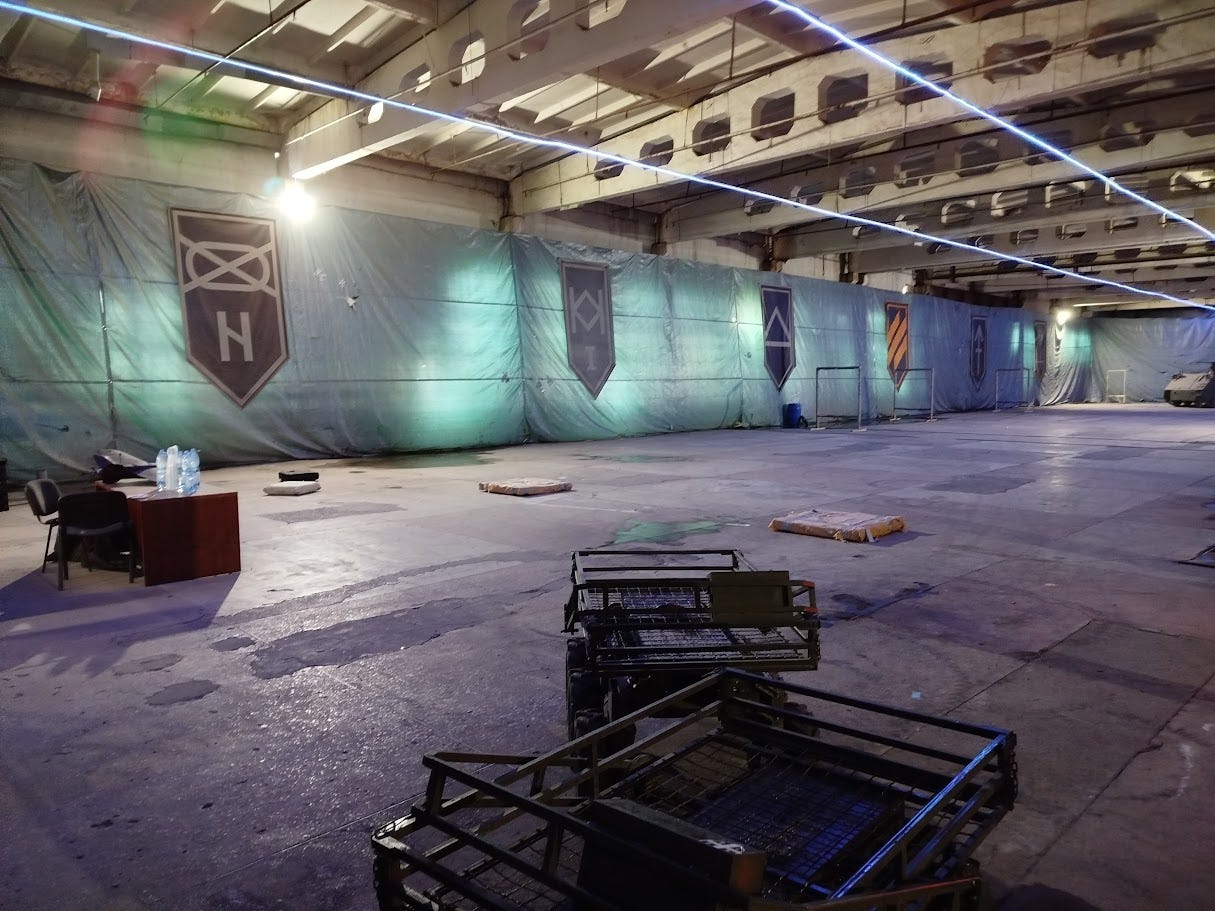
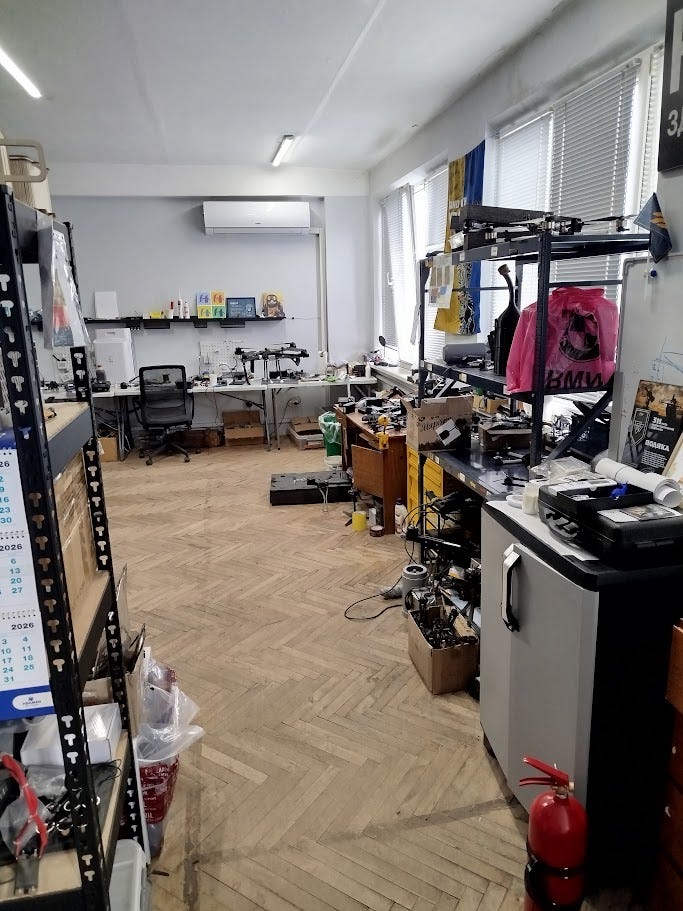
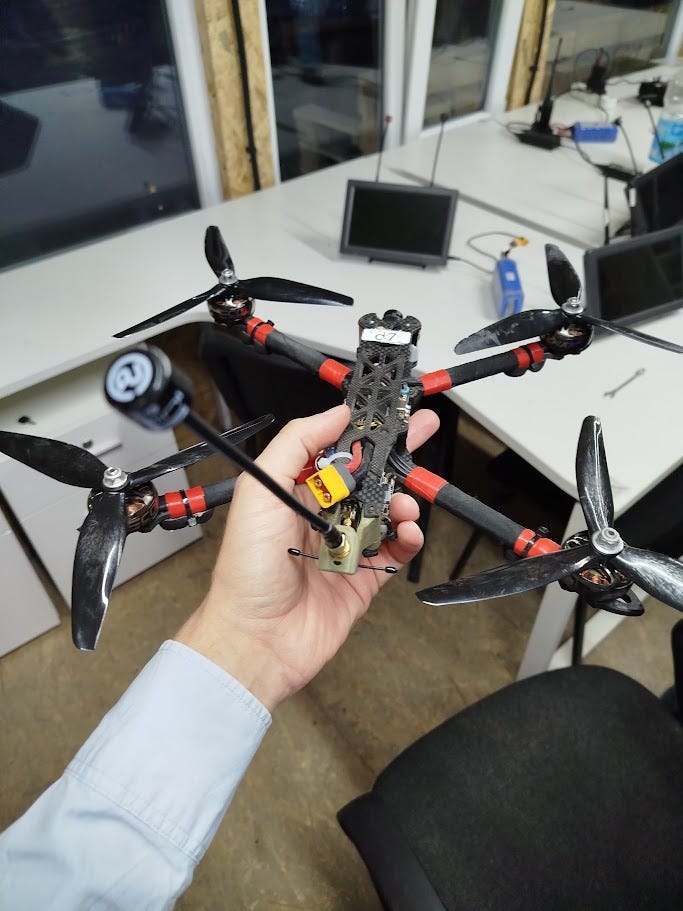
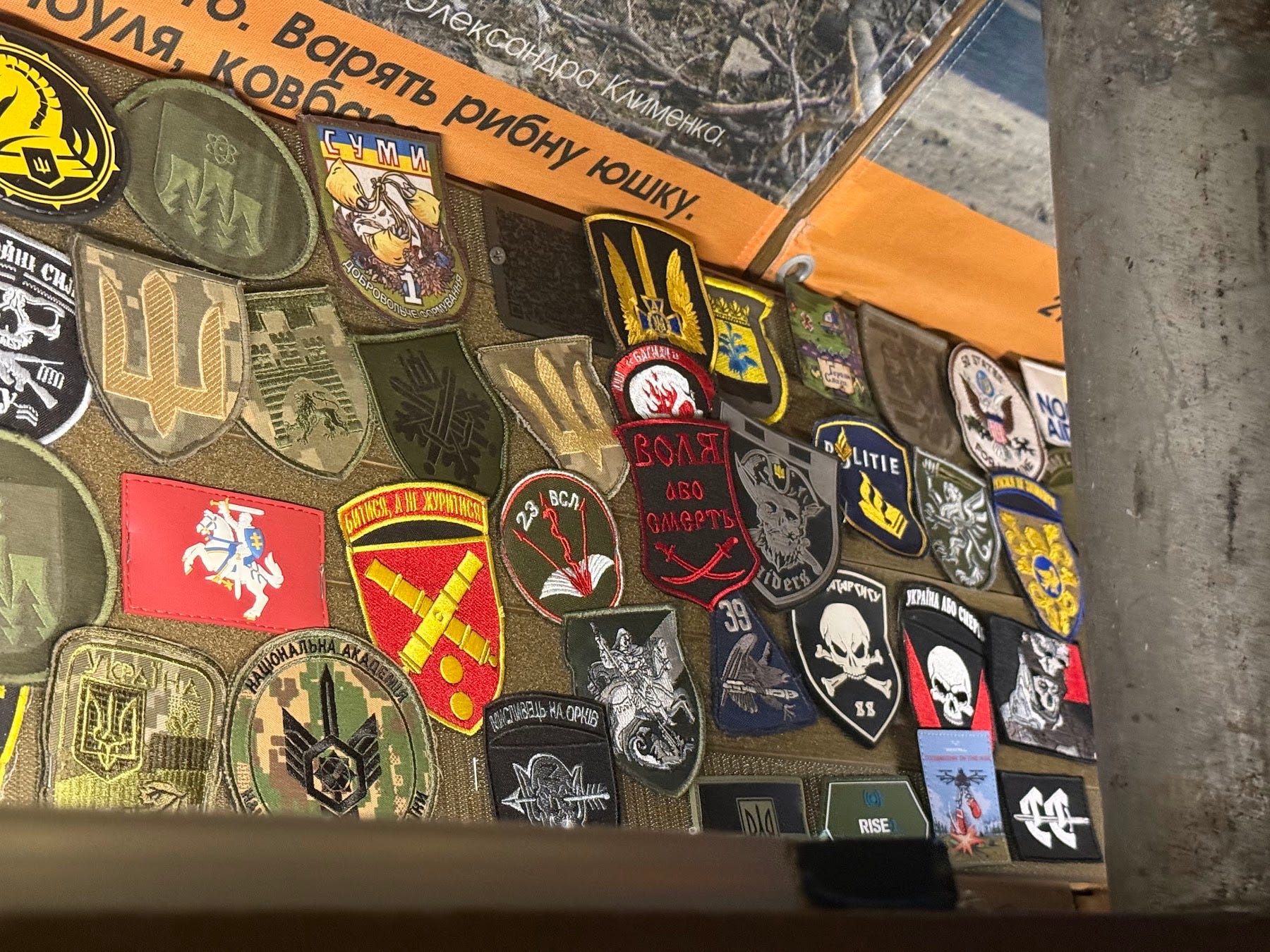
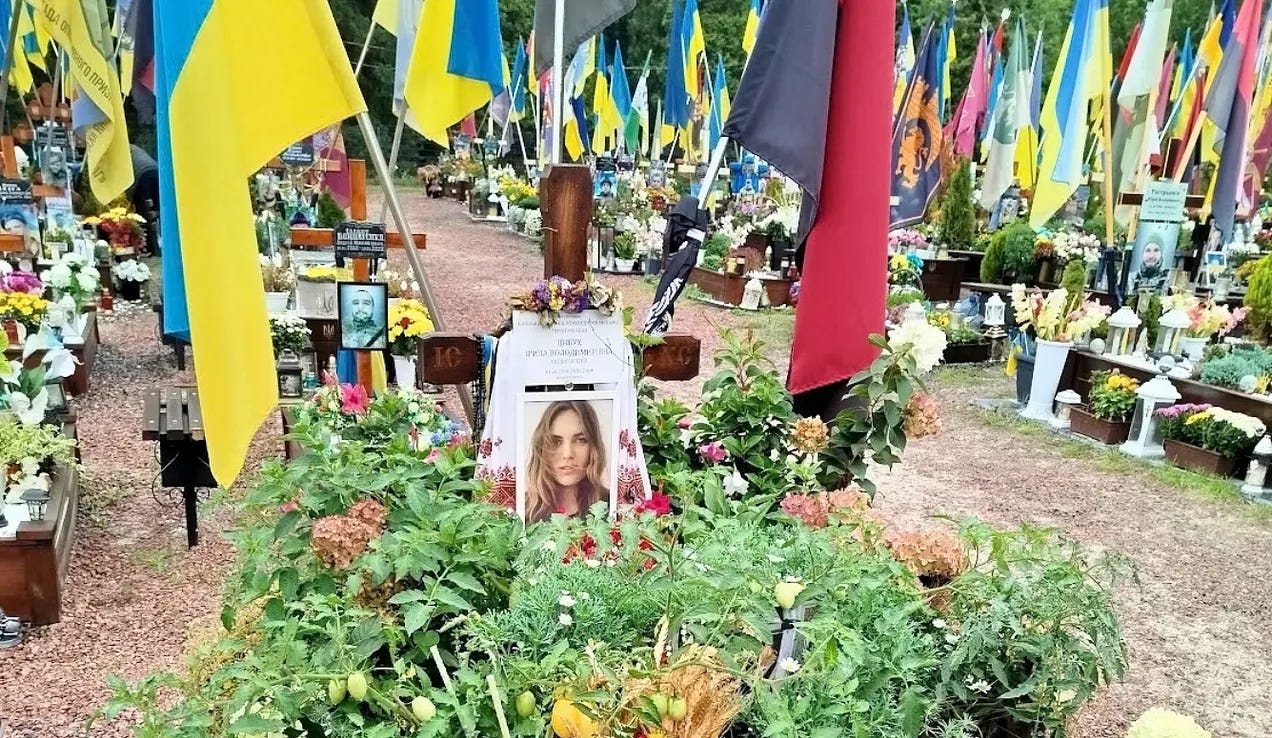
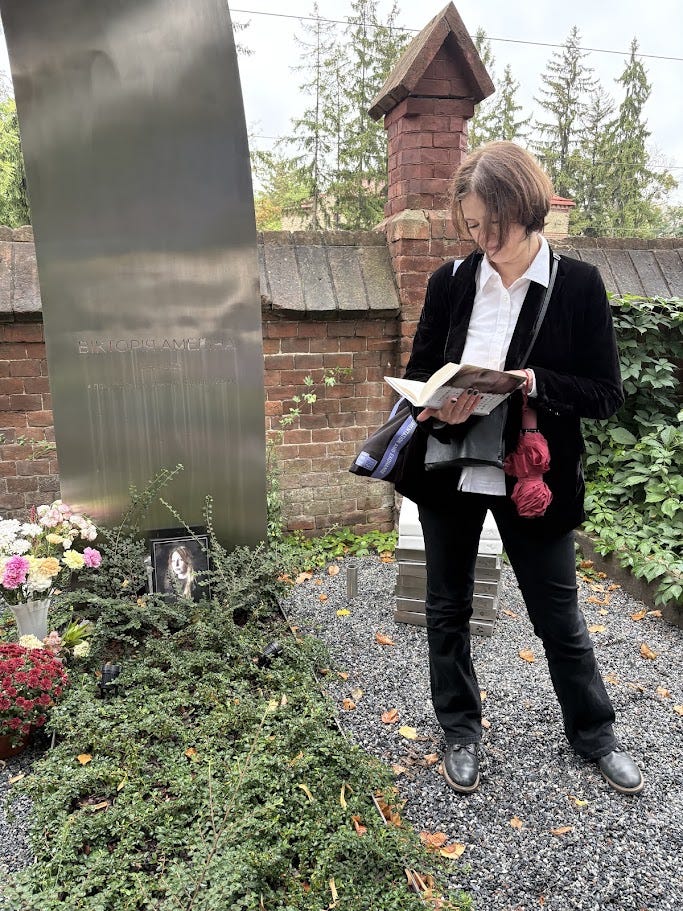
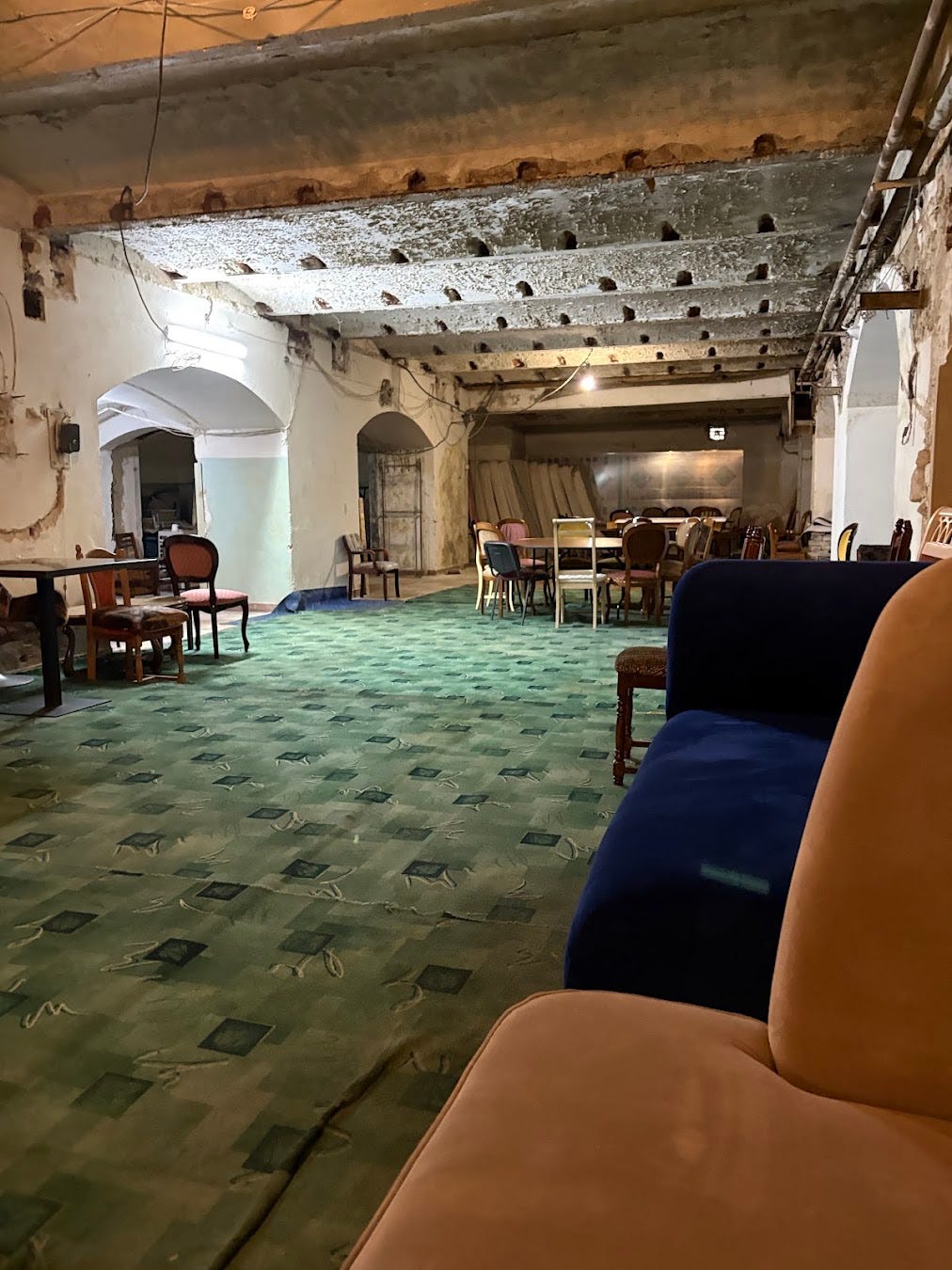
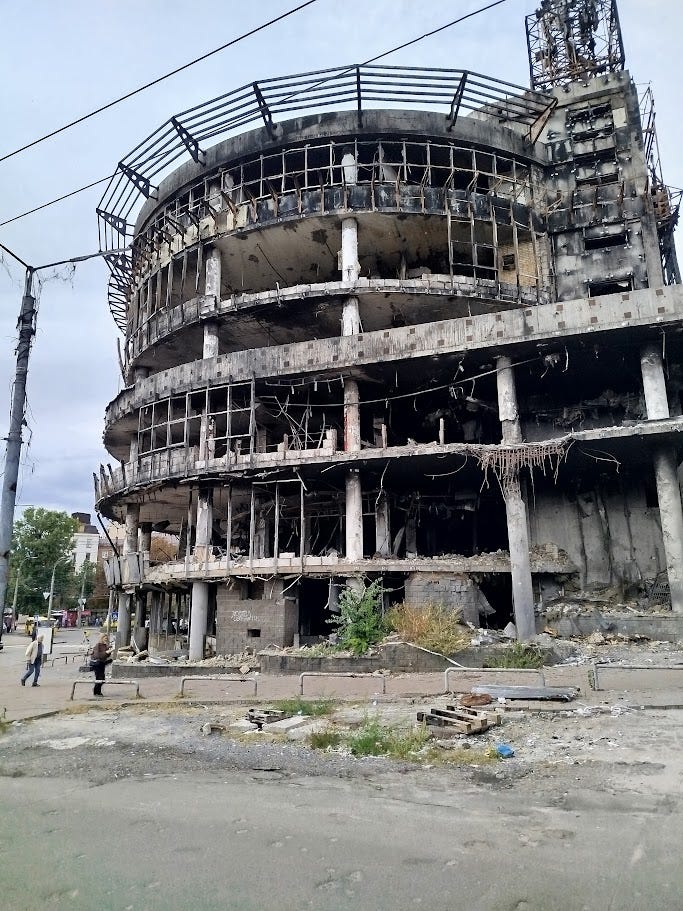
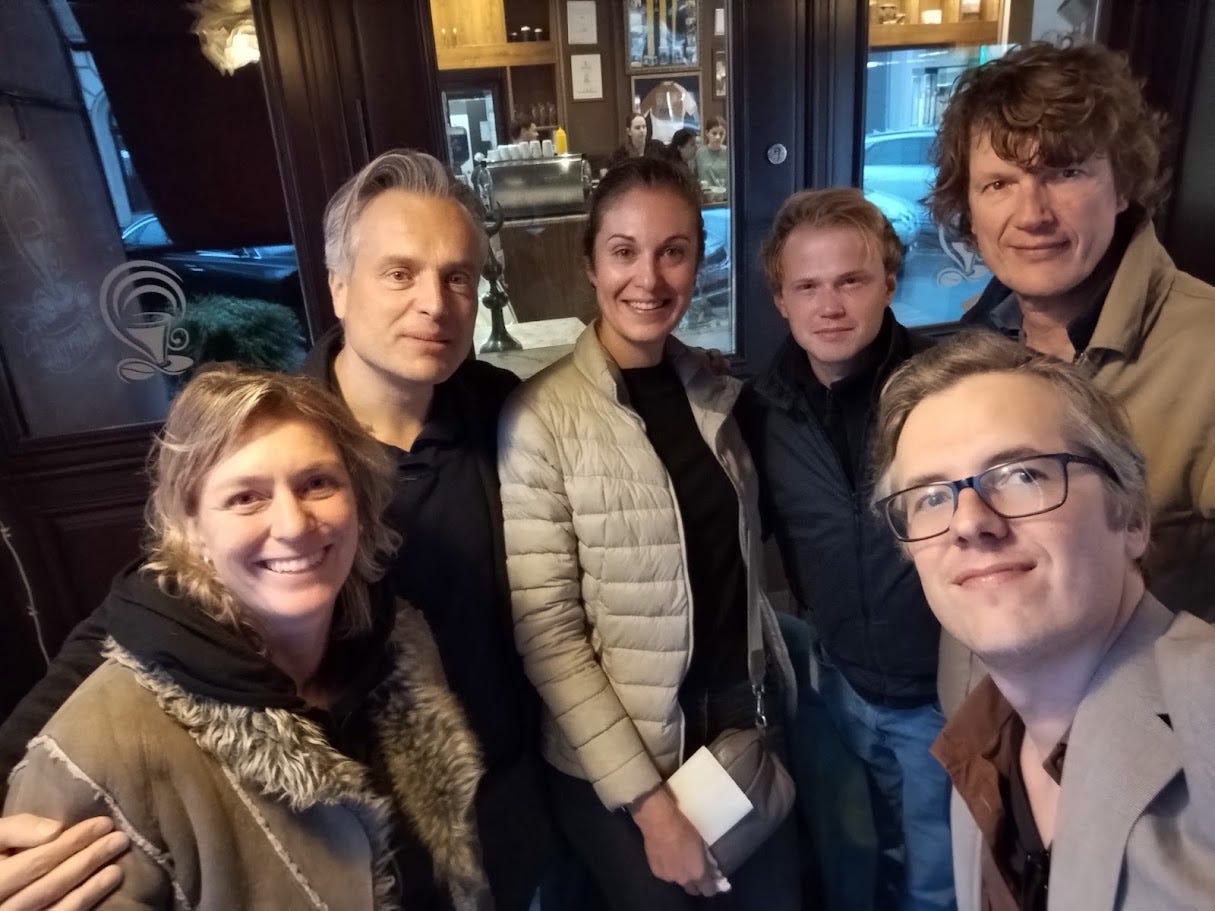
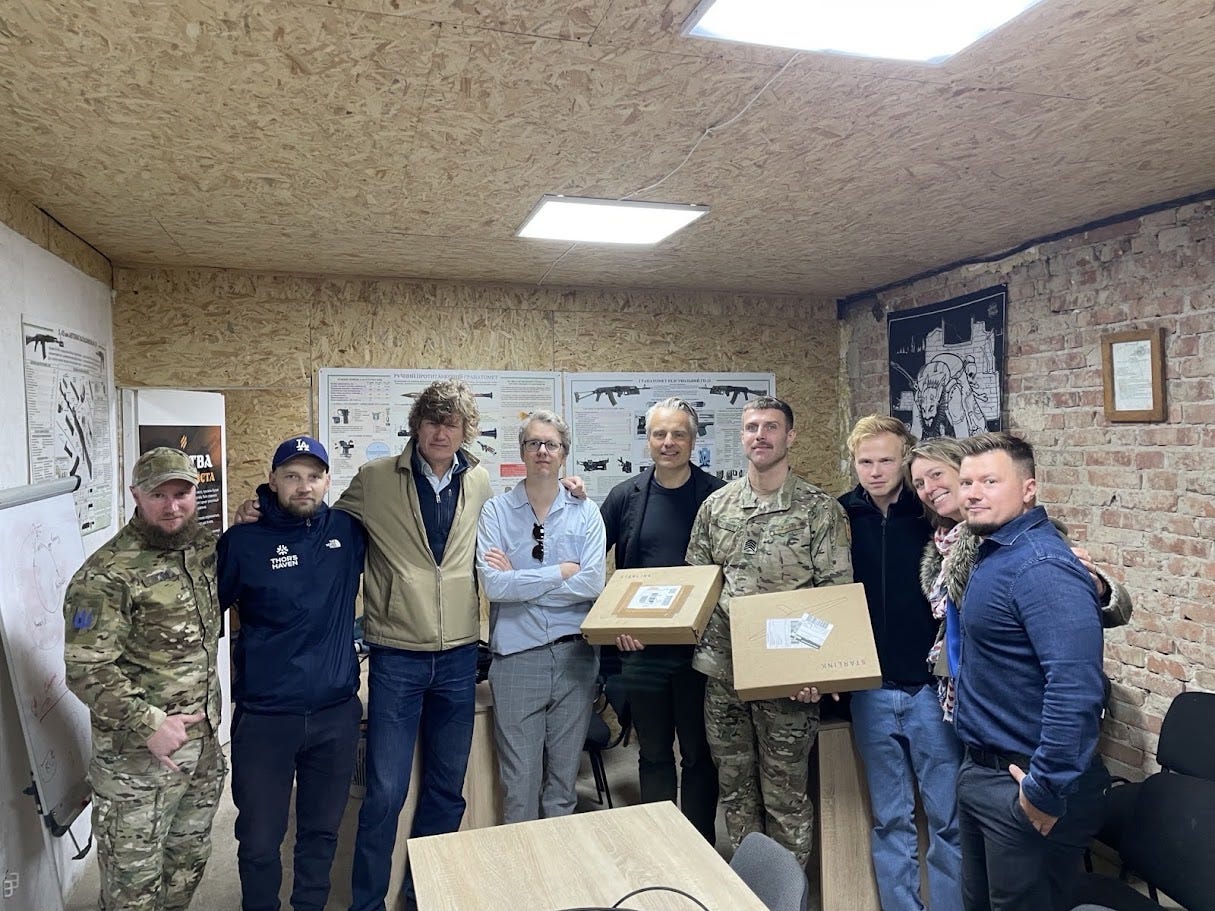
As a bonus, here are some extra pics from my Ukraine trip:


There are stories that Ukraine continues to have significant losses due to corruption https://theconversation.com/volodymyr-zelenskys-other-war-ukraines-endless-struggle-with-corruption-290189.
Great initiaitive. If Ukraine falls, the rest of Europe will probably follow suit, and that will be a world changing event that will make life worse for everyone who believes in human rights and the other Western values