
They Don’t Believe It Either.
The Gaza Genocide as Ideological Performance

[This is the longer version of an essay that appeared in Quillette yesterday]
I.
During a public address in October 2023, as Israel was preparing to launch its ground invasion of the Gaza Strip, Israeli prime minister Benjamin Netanyahu quoted a verse from the Bible that would echo through countless NGO reports, and would feature prominently in South Africa’s case against Israel at the International Court of Justice (ICJ) in The Hague: “Remember what Amalek has done to you.” To those uninitiated in Biblical mythology, the phrase may not sound particularly ominous, but Israel’s critics knew better. In the Bible, the people of Amalek are the ancient foes of the Israelites, and in the book of Samuel, Yahweh commands King Saul to “smite” the Amalekites, leaving no one alive—not even women and children.
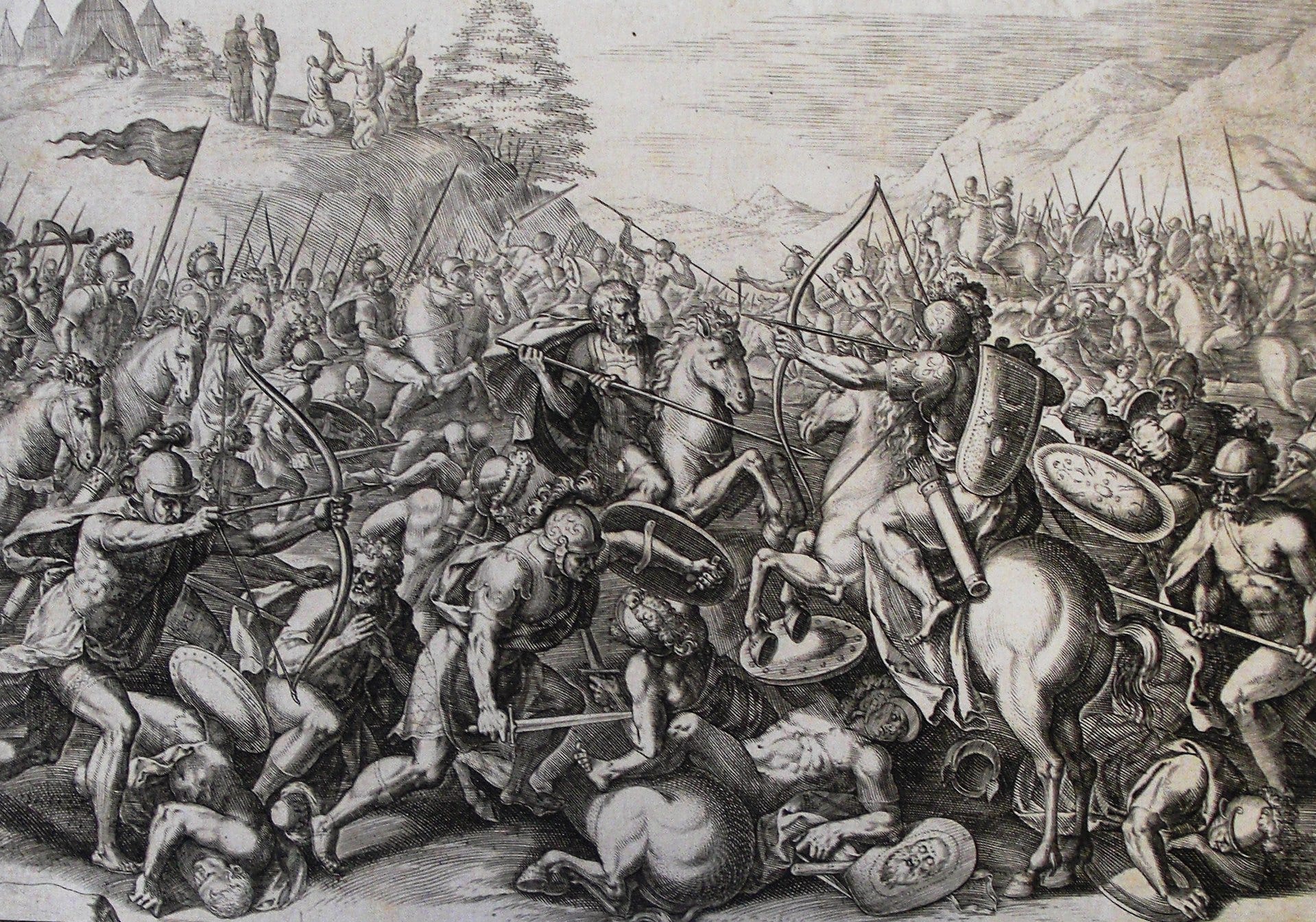
One snag in this Biblical interpretation is that Netanyahu was quoting from the Book of Deuteronomy, which recounts a (mythical) tale from centuries earlier. As the Israelites fled Egypt, they were ambushed from the rear by the Amalekites. Following this treacherous attack, Yahweh tells the Israelites: “Remember what the Amalekites did to you along the way when you came out of Egypt. When you were weary and worn out, they met you on your journey and attacked all who were lagging behind.” Perhaps Netanyahu was simply reaching for a cultural reference that would resonate with his audience, still reeling from the horrific events of 7 Oct, and found in Deuteronomy a story that was poignant in its resemblance?
But Israel’s critics were not satisfied by this explanation. “Amalek” could not possibly refer to Hamas, they reasoned, because Hamas is an organization, not a people like the Amalekites. Therefore, when Netanyahu spoke about “Amalek,” he clearly implied the Palestinians as a whole. And since the Amalekites are being smitten elsewhere in the Bible, the obvious inference is that Netanyahu was calling for the annihilation of the Palestinians. Put two and two together, and “remember Amalek” becomes a dog whistle for genocide.
Before we get bogged down in more Bible exegesis, let’s back up for a moment. Just a few hundred meters from the ICJ, there is a memorial commemorating the Holocaust. It bears a bronze plaque, inscribed in Dutch and Hebrew with the same verse Netanyahu quoted: “Remember what Amalek has done to you. Don’t forget.” This time it cites the correct source: Deuteronomy 25:17–19.
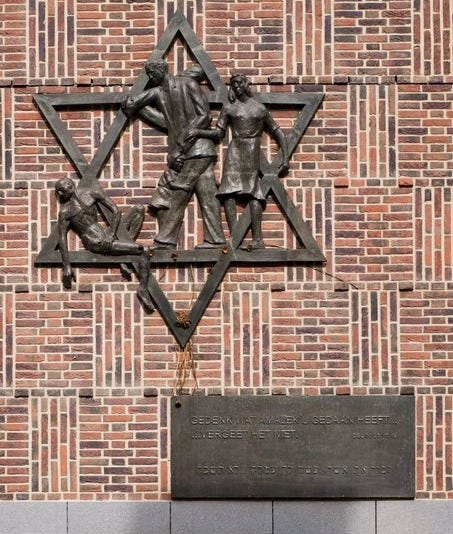
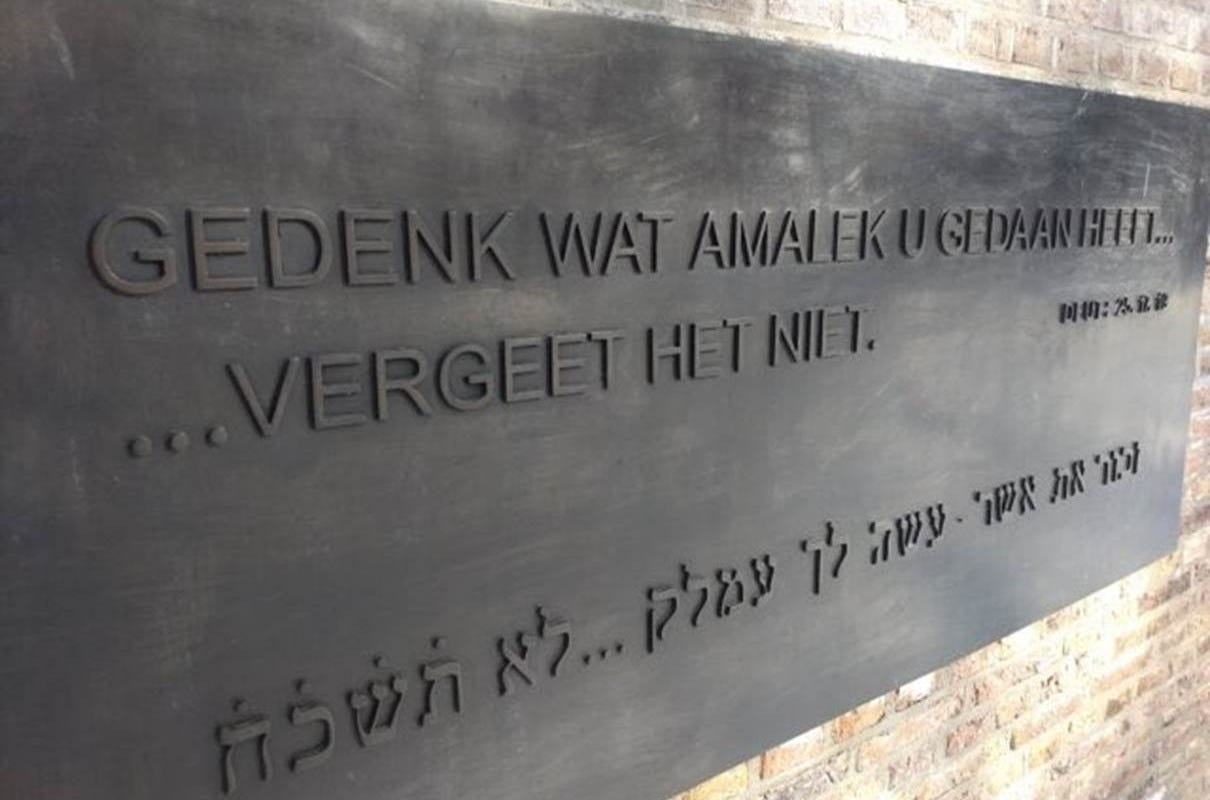
If Israel’s critics had bothered to check, they would have found the same verse at the entrance of Yad Vashem, the Holocaust Museum in Jerusalem.
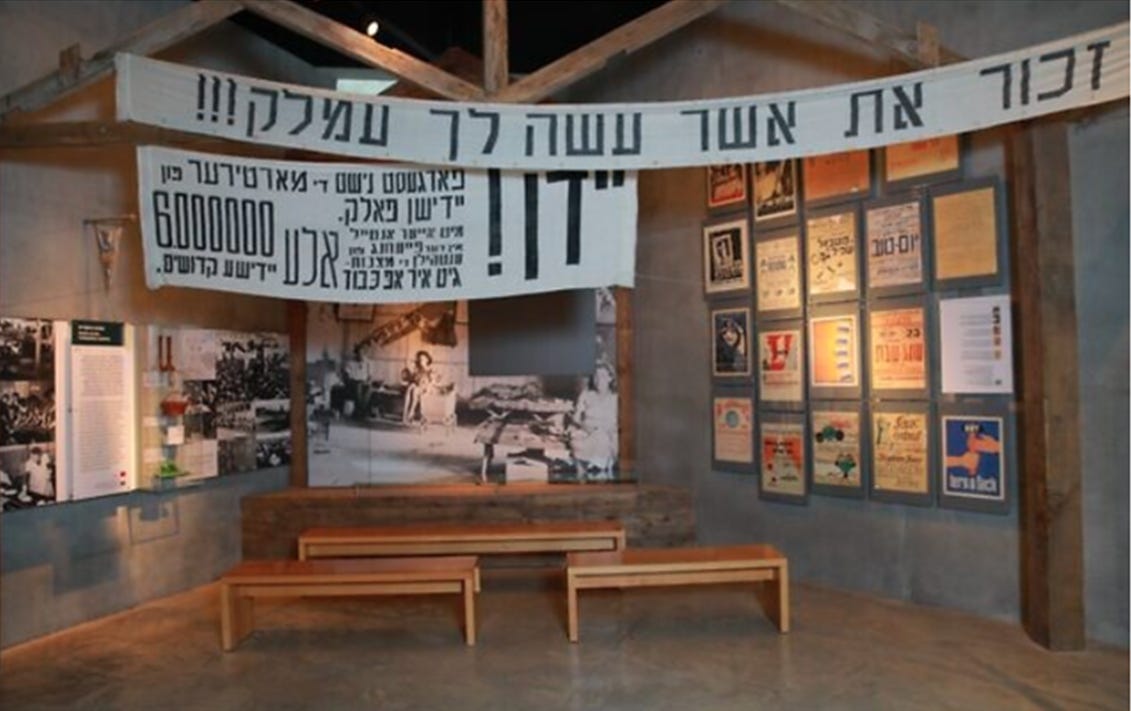
It is a well-established motif in Jewish culture, symbolizing the duty to record and remember the persecutions that Jews suffered at the hands of mobs and regimes throughout history. By the critics’ logic, the monument in The Hague incites genocide against the German people (not against the Nazis, who were just a party and not an ethnic group). I wonder if the German ambassador to the Netherlands has already expressed his dismay at this open genocidal incitement?
These facts about the history and meaning of the Amalek verse are easily verifiable, and they were pointed out early on in the Gaza War (by Yair Rosenberg) when accusations about Netanyahu’s use of allegedly genocidal language first surfaced. And yet, newspapers and NGOs have kept repeating this inflammatory canard without ever issuing a correction.
There are countless examples of similar distortions. In an impromptu speech delivered days after 7 October, former defense minister Yoav Gallant told his soldiers that “Gaza will not return to what it was before. There will be no Hamas. We will eliminate it all.” A widely circulated clip of this speech—which appeared on the BBC, and in the New York Times, the Guardian, and South Africa’s ICJ case—dishonestly omitted the middle sentence, making it look as if Gallant had pledged to eliminate “all of Gaza.” Gallant was also accused of calling Palestinians “human animals.” He didn’t—he was referring to Hamas, the “ISIS of Gaza.”
And Netanyahu never said that “Gazans would pay a huge price,” as even once-reputable scholars have claimed; he said Israel would “exact a huge price from the enemy,” meaning Hamas. Nor did he threaten to turn Gaza into a “desert island”—a complete fabrication born of a mistranslation by Al Jazeera, which is funded by the same regime that bankrolls Hamas.
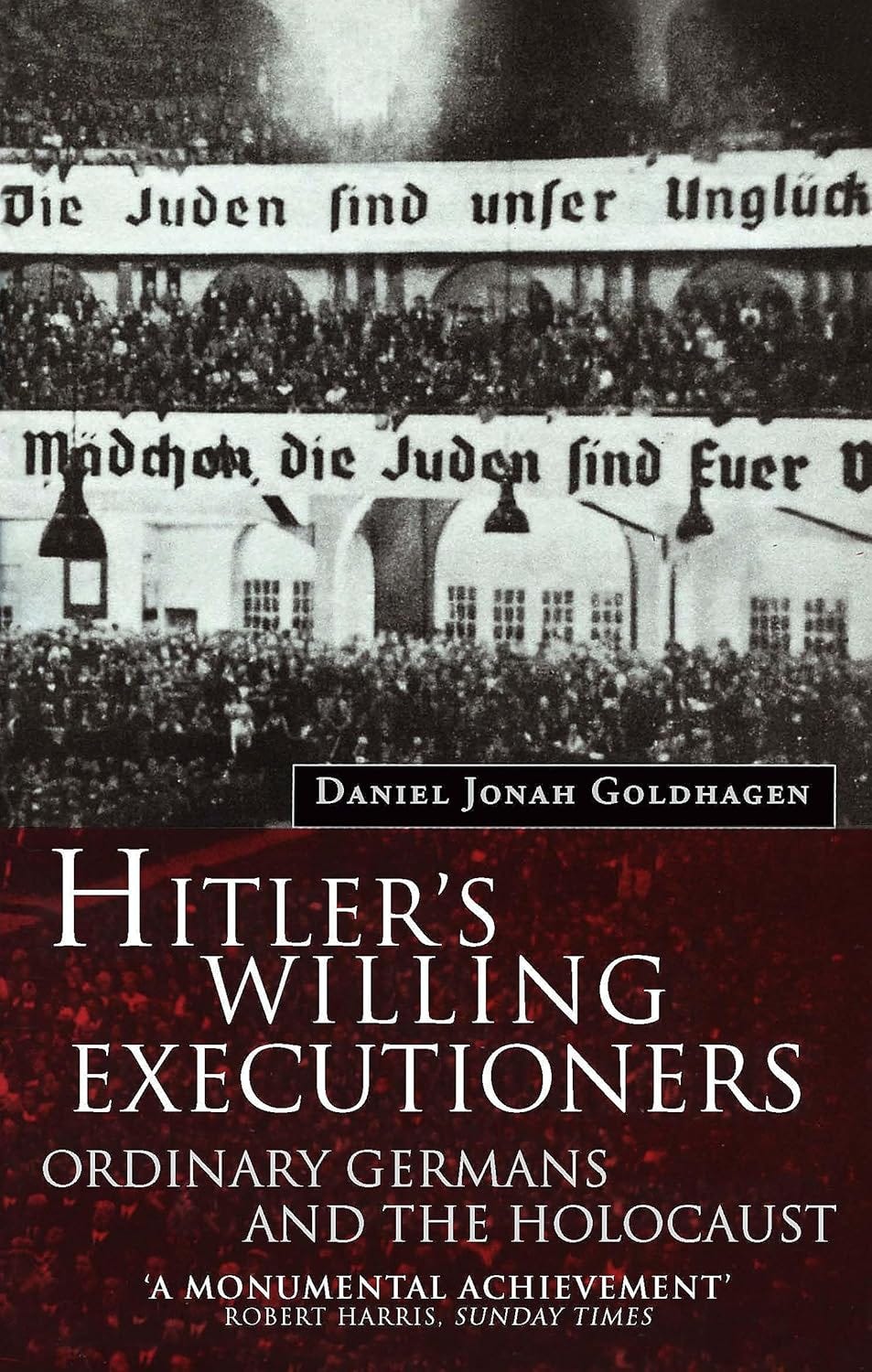
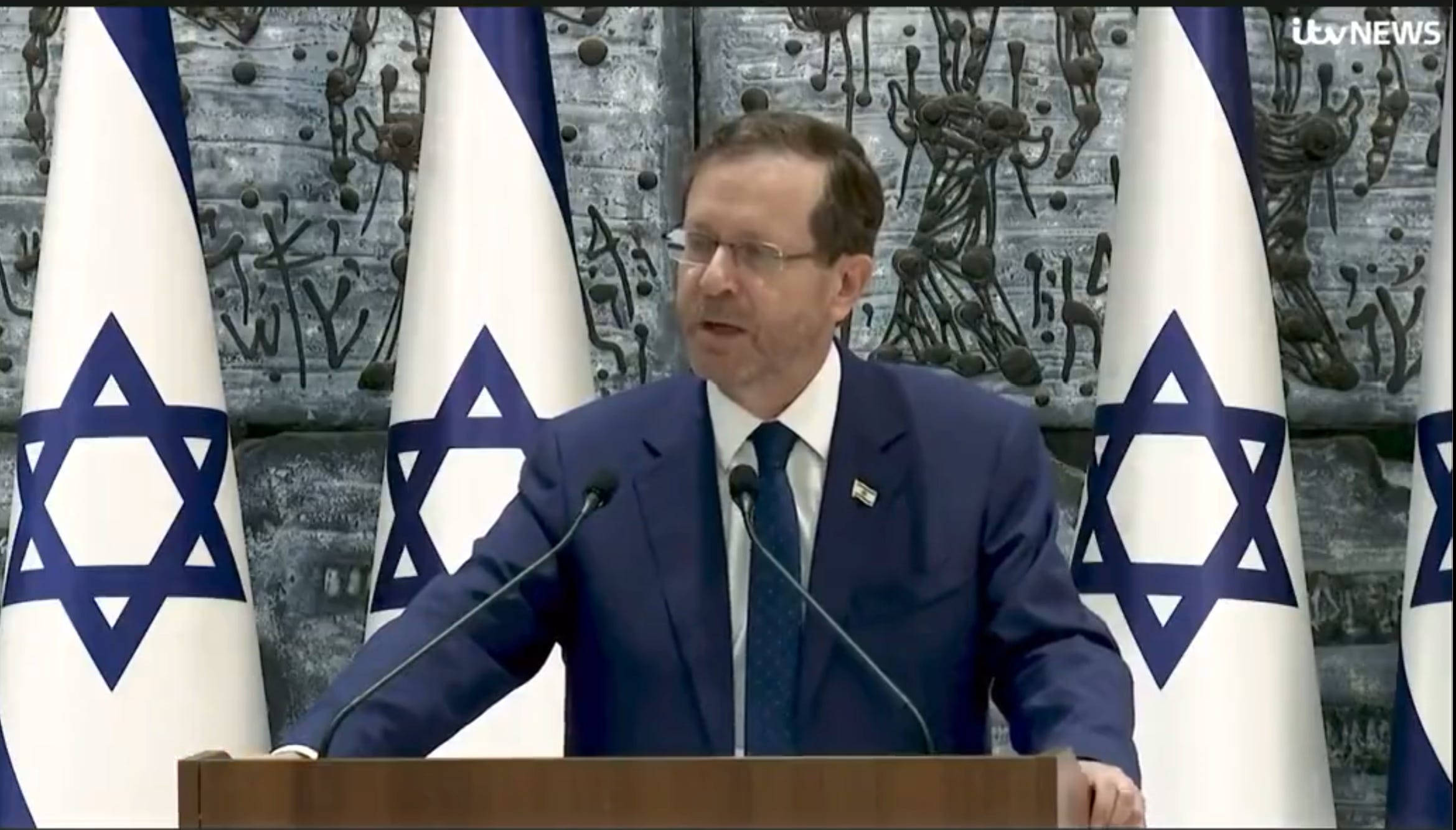
And then there is Israeli president Isaac Herzog’s assertion that “it’s an entire nation out there that is responsible. This rhetoric about civilians not aware, not involved. It’s absolutely untrue. They could’ve risen up, they could have fought against that evil regime.” Herzog’s phrasing was unfortunate and liable to be misunderstood, although it should be noted that historians such as Daniel Goldhagen have made identical claims of collective responsibility about the German people under Nazi Germany.
In any event, during the same speech Herzog went on to clarify that “there are many, many innocent Palestinians” who will not be targeted by the IDF. He subsequently stated:
For the State of Israel, and of course for me personally, innocent civilians are not considered targets in any way whatsoever. There are also innocent Palestinians in Gaza. I am deeply sorry for the tragedy they are going through. From the first day of the war right until today, I have called and worked for humanitarian aid for them—and only for them. This is part of our values as a country.
Needless to say, these remarks by Israel’s president did not make it into South Africa’s ICJ case, or into any of the NGO reports. Nor did the endless stream of official statements in press conferences, IDF briefings, and social media posts from 8 October onwards reaffirming that Israel’s “military operations in Gaza are solely directed at Hamas, Islamic Jihad, and other armed groups,” that the IDF “does not intentionally target civilians or seek to harm the civilian population,” and that Israel “does everything possible to limit civilian casualties.”
I can’t recall another instance of such arrant dishonesty making its way into serious reports and court filings—at least not from my own political camp. Every single report regurgitates the same litany of misquoted, misinterpreted, or fabricated statements by Israeli officials, sometimes just a few words strung together, as if they somehow constitute the equivalent of the Wannsee conference. To be sure, some Israeli figures did make abhorrent statements in the overheated wake of Hamas’s massacre, but these were people without military decision-making power, such as extremist rabbis, Knesset members, retired military officers, and media personalities (and Israel is arguably not doing enough to prosecute these people).
And though horrific, such statements are typical of the belligerent rhetoric in every war, a far cry from the explicit instructions and chain of command needed to establish actual genocidal intent. Even the hateful remarks by the far-right ministers of finance and national security, though reprehensible, do not come close to establishing genocidal intent, as these people did not have a seat in the war cabinet and do not dictate military strategy. They are mostly extremist rabble-rousers riling up their political base.
II.
Leaving aside rhetoric and incitement, is there any evidence on the ground that the IDF acts with the intent to annihilate the entire Palestinian population, women and children included? I’m not a military expert, but as far as I can tell, there is none whatsoever. If the Gaza War was a genocide, it was the most incompetent genocide in recorded history. Time and again, the IDF has warned the civilian population about impending attacks and offered them time to evacuate, by distributing millions of flyers, text messages, voice mails and QR codes with military maps—thereby suffering a clear military disadvantage (because Hamas fighters can also read a map). If your goal is to kill everyone, warning people beforehand where you will strike and giving them a chance to escape is about the stupidest thing you can do.
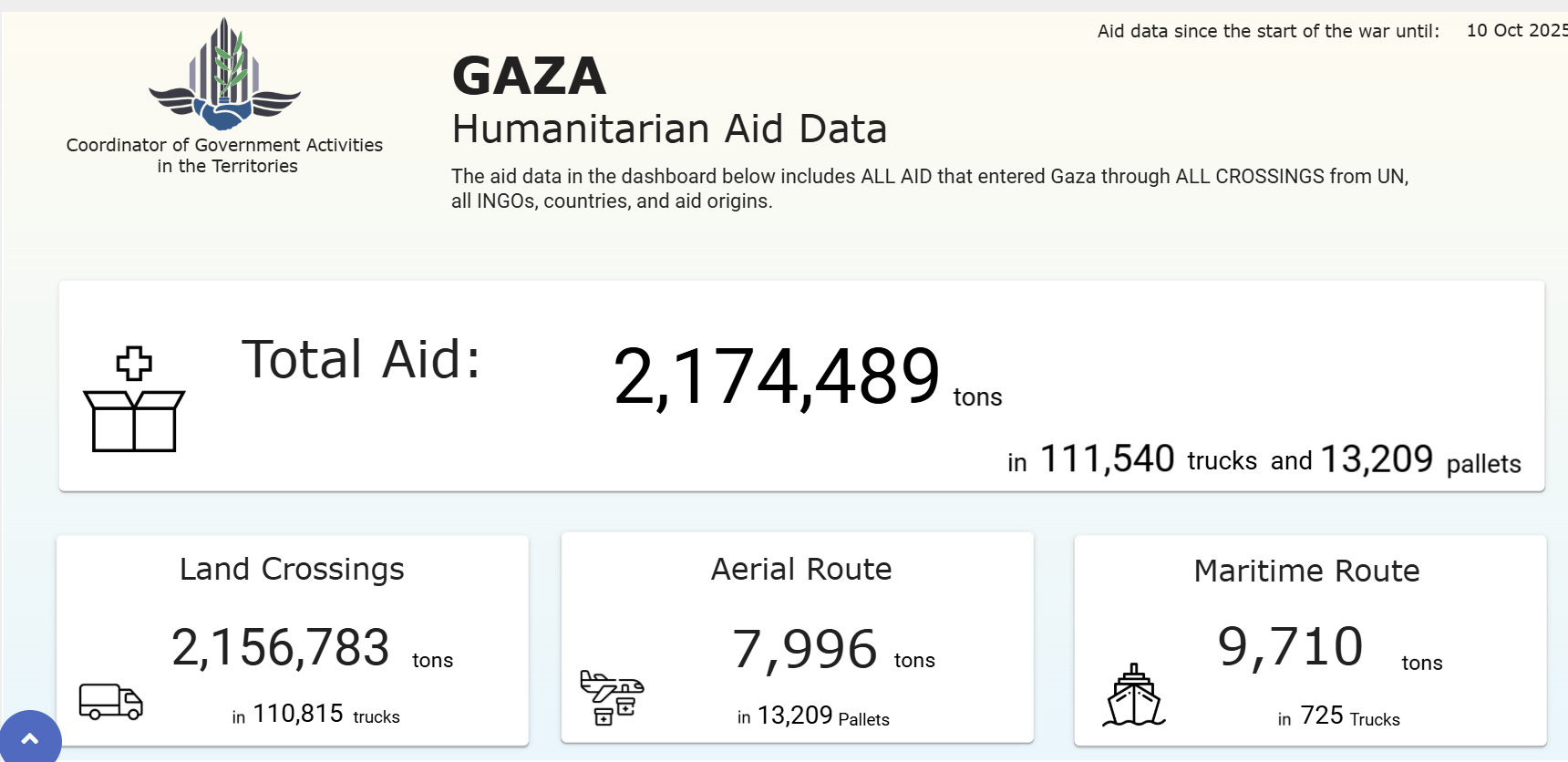
Despite temporary blockades, Israel has enabled the delivery of tens of thousands of trucks with food and medical supplies, organized humanitarian pauses and aid corridors, and even facilitated a polio vaccination campaign in the middle of the war. In the Spring of this year, Israel also set up its own aid delivery system through the Gaza Humanitarian Foundation, distributing millions of meals to Gazans funded by Israeli taxpayers. It has used advanced AI technology to identify targets—Hamas operatives, tunnel entrances, weapon storages—and to assess the presence of civilians to determine the best timing for attacks. None of this makes even the slightest bit of sense if your goal is to exterminate the whole Palestinian population.
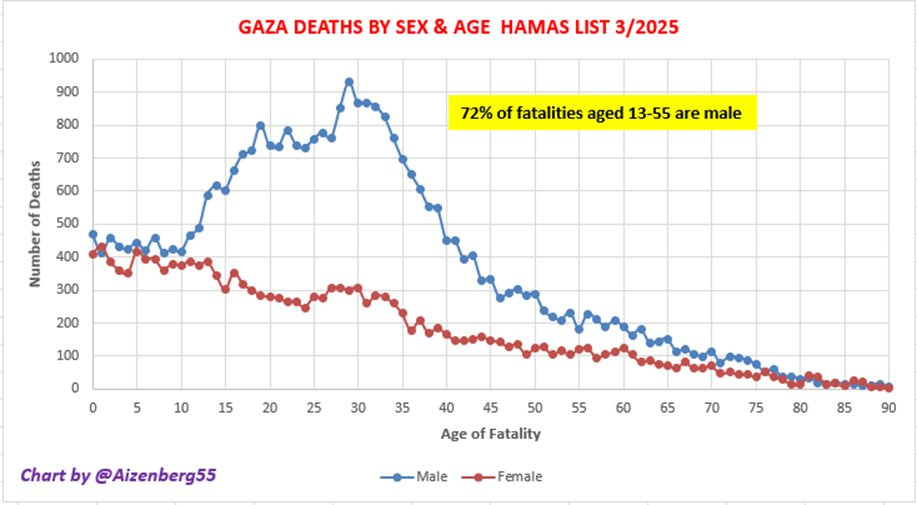
Had Israel wished to use the 7 October massacre as a pretext for genocide, it could have carpet-bombed the entire Strip without endangering the life of a single IDF soldier. Or they could do what Hamas did on Oct 7, methodically going from house to house and massacring every living soul. Instead, Israel lost more than 900 soldiers during the Gaza campaign (and thousands more were wounded) precisely because it entered the enclave on foot and refrained from indiscriminate killing. Even according to Hamas’s own statistics, which do not distinguish between combatants and civilians and include many natural deaths, casualties are predominantly male and of fighting age, which is inconsistent with a policy of indiscriminate killing (Hamas initially tried to fool global opinion that the casualties of the Gaza war were “70 percent women and children,” but that claim collapsed under scrutiny and was then quietly retracted).
Israel also enabled the delivery of tens of thousands of trucks with food and medical supplies, organized humanitarian pauses and aid corridors, and even facilitated a polio vaccination campaign in the middle of the war. This is not the behavior of a state attempting to wipe out a population group. Even the provisional ruling from the ICJ acknowledges that Israel delivered water, food, and medical assistance in Gaza throughout much of the conflict, behavior inconsistent with charges of deliberate starvation.
From the very beginning of the conflict, Israel’s war objectives were unambiguously clear: recover its hostages and secure the surrender and disarmament of Hamas. Now that Hamas has released the surviving hostages it held in Gaza and has agreed to release the remains of the Israeli dead, the fighting has ceased. If Hamas disarms in accordance with Donald Trump’s peace plan and plays no further part in Palestinian governance, the war will end, just as Israel always said it would once it achieved its objectives.
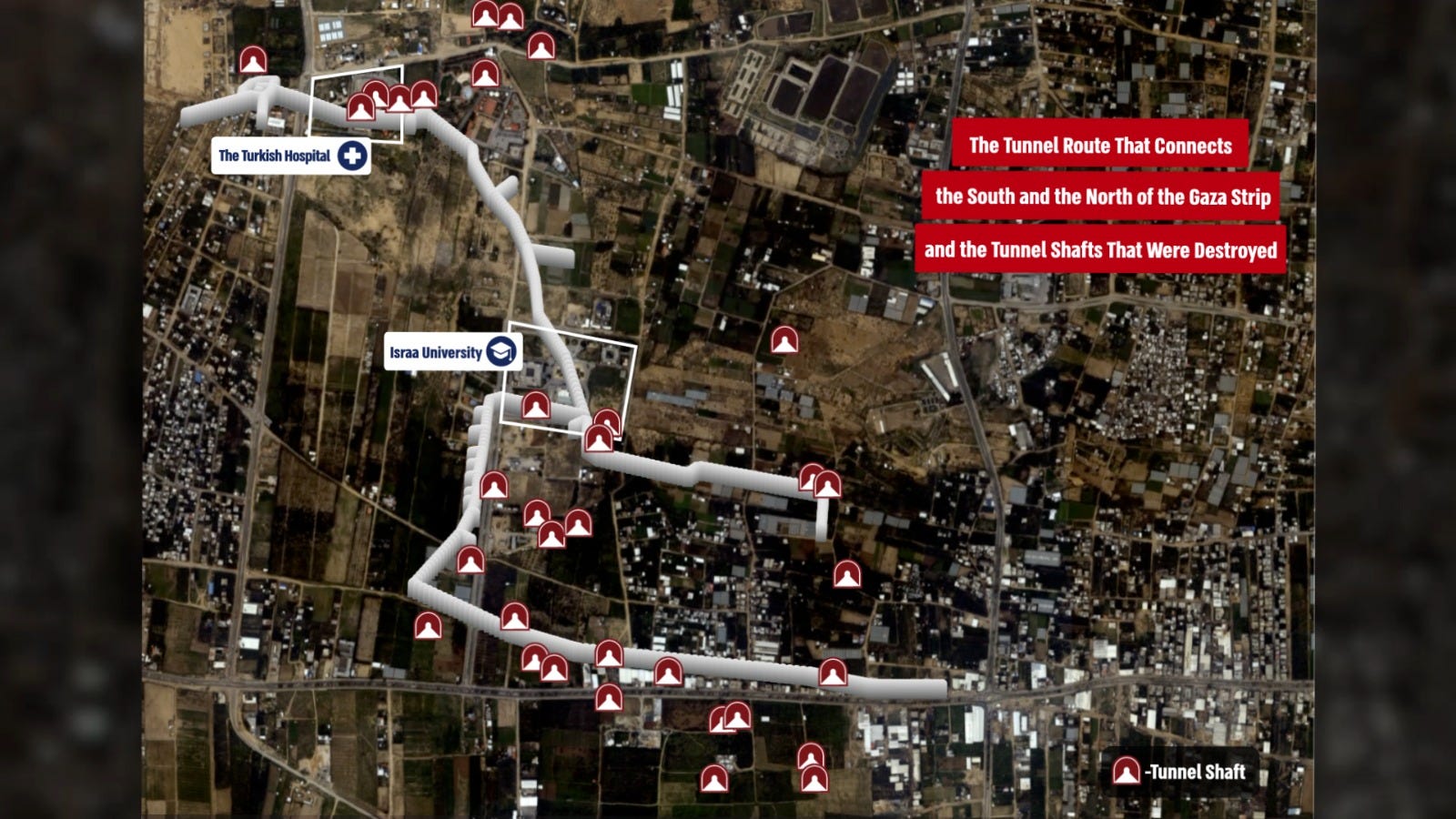
Why then did this war have such a terrible toll on civilians, despite Israel’s efforts? There are two major reasons, both consistently ignored by all the genocide reports: Hamas’ cult of martyrdom, and the perverse incentives created by its unwitting enablers. Hamas is not just indifferent to civilian casualties; it actively solicits them as part of its military strategy. It has constructed hundreds of kilometers of tunnels for its fighters, while failing to build a single shelter for its own women and children. It deliberately fires rockets from hospitals, schools, UN buildings, mosques, and in the vicinity of humanitarian zones. Fully aware that it is no match for the Israeli army on the battlefield, it possesses one secret weapon to bring Israel to its knees: the moral conscience of the international community. If they sacrifice enough innocent women and children and then broadcast the harrowing images and casualty figures all across the international media, they can push Western nations to ostracize, delegitimize, and boycott Israel.
In fact, to any reasonable observer, it is undeniable that the Israeli army cares more about the lives of Palestinian civilians than Hamas. While Hamas invites civilian deaths as part of its strategy, Israel attempts to avoid them. Whereas the Israeli government urges Gazan civilians to evacuate combat zones, Hamas prevents them from escaping or from seeking shelter in their tunnel network. When Israel set up its own system of humanitarian aid, Hamas threatened anyone who dared to collaborate, killed multiple humanitarian workers, and punished Gazans who collected GHF food packages.

The absurdity of the genocide charge should not obscure valid criticisms of the mistakes Israel made during this conflict. Particularly in the last few months, Israel’s miscalculations have been infuriating at times. The decision to wrest humanitarian aid from Hamas’s control and establish an alternative distribution system seemed to make sense at first, but the eleven-week aid blockade employed to put the screws to Hamas was a moral and strategic error. Israel should have known that an enemy steeped in a cult of martyrdom would readily call its bluff, confident in the knowledge that Israel—and the international community—would fold first. In any event, the GHF’s operations were mired by inexperience and incompetence, and the mismanaged attempts at crowd control spiraled into deadly chaos, with potential war crimes committed by trigger-happy IDF soldiers.
Nevertheless, nothing Israel has done over the past two years reveals an “intent to destroy, in whole or in part, a national, ethnical, racial or religious group, as such”—as the UN definition of genocide stipulates. It is fine to criticize Israel for taking insufficient steps to protect civilian lives in a particular operation, or to question the proportionality judgements made before executing a strike. But the very framing of these criticisms implies that the avoidance of civilian deaths is integral to the moral calculus of the IDF. The only genocidal party to this conflict is Hamas, which fantasizes about the eradication of Jewry in its apocalyptic foundational covenant, and which has openly vowed to repeat the 7 October pogrom as soon as the opportunity arises.
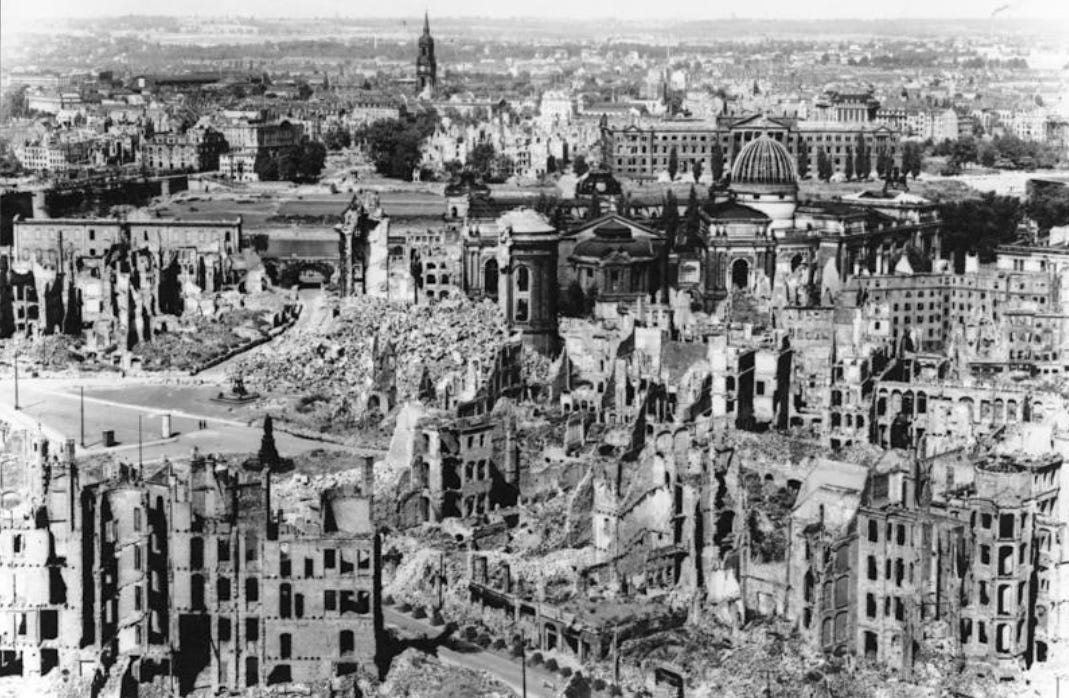
During the Second World War, the Allies carpet-bombed German and Japanese cities without issuing evacuation warnings, sometimes killing 30,000 civilians in a single night. These casualties were not merely collateral damage, they were a strategy intended to “demoralize” the populations of the Axis powers and turn them against their regimes. The Allies never supplied German citizens with food, water, and electricity, and they imposed a naval blockade on Germany, restricting supplies of minerals, fuel, and food. The naval mining operation against Japan was codenamed “Operation Starvation.” The Allies’ tactics were far more brutal than anything Israel has done in the Gaza Strip, but no one has ever retrospectively accused the Allies of committing “genocide.” As the political scientist Shany Mor has told me, there is no sensible definition of genocide that would encompass the current military campaign in Gaza while excluding the Allied bombings during World War II.
III.
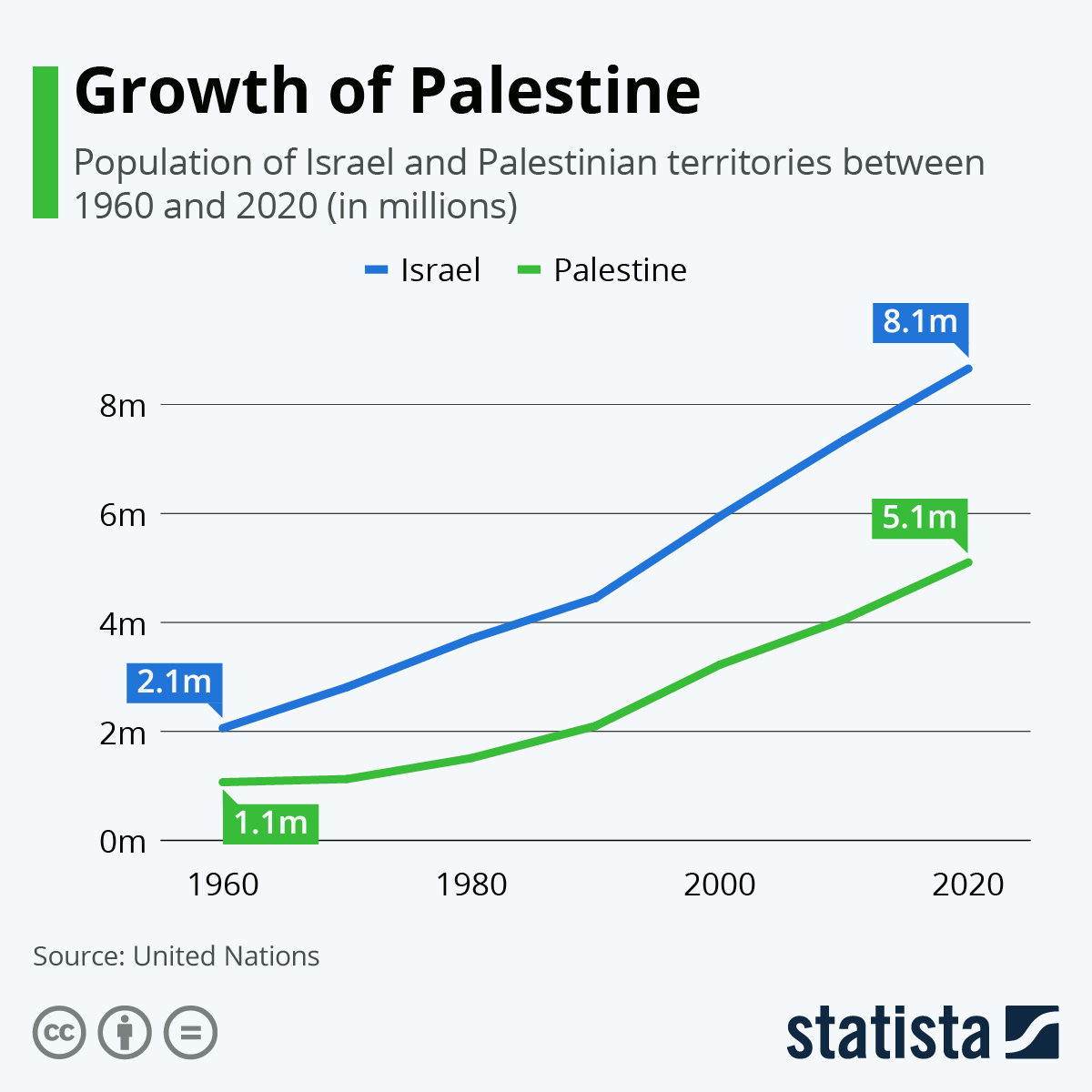
The many fabrications and distortions in the genocide case against Israel are evidence of something different from rational inquiry and truth-seeking. What explains the frantic search, from almost the first day of the war, for statements by Israeli officials that can be twisted into proof of genocidal intent? What accounts for the willful blindness to Hamas’s cruelty, to the point of erasing Hamas altogether, as if the war had only one combatant? And why is the definition of genocide gerrymandered by NGOs to implicate and condemn Israel—through inventions like “slow-motion genocide” or “incremental genocide”—even though the Palestinian population grew from 1.1 million to 5.1 million between 1960 and 2020?
The answer is that the “Gaza genocide” calumny has become the Left’s equivalent of the “stolen election” hoax on the American Right—a baseless accusation that signals ideological allegiance precisely because it defies logic and evidence. That is why nonsense like the Amalek verse keeps being recycled, impervious to correction—the point is not to offer evidence, but to hammer down a pre-established conclusion.
Like the stolen-election lie, there are reasons to suspect that many of the people who repeat the Gaza genocide lie don’t actually believe it. The more informed critics of Israel—those who understand the definition of genocide—should recognize that an army issuing evacuation warnings and facilitating humanitarian aid is pursuing a different project altogether. And anyone seriously interested in the ethics of warfare should be able to acknowledge a moral distinction between civilians who die as the unintended consequence of military action—and in spite of imperfect attempts to protect them—and those who are deliberately and systematically murdered.
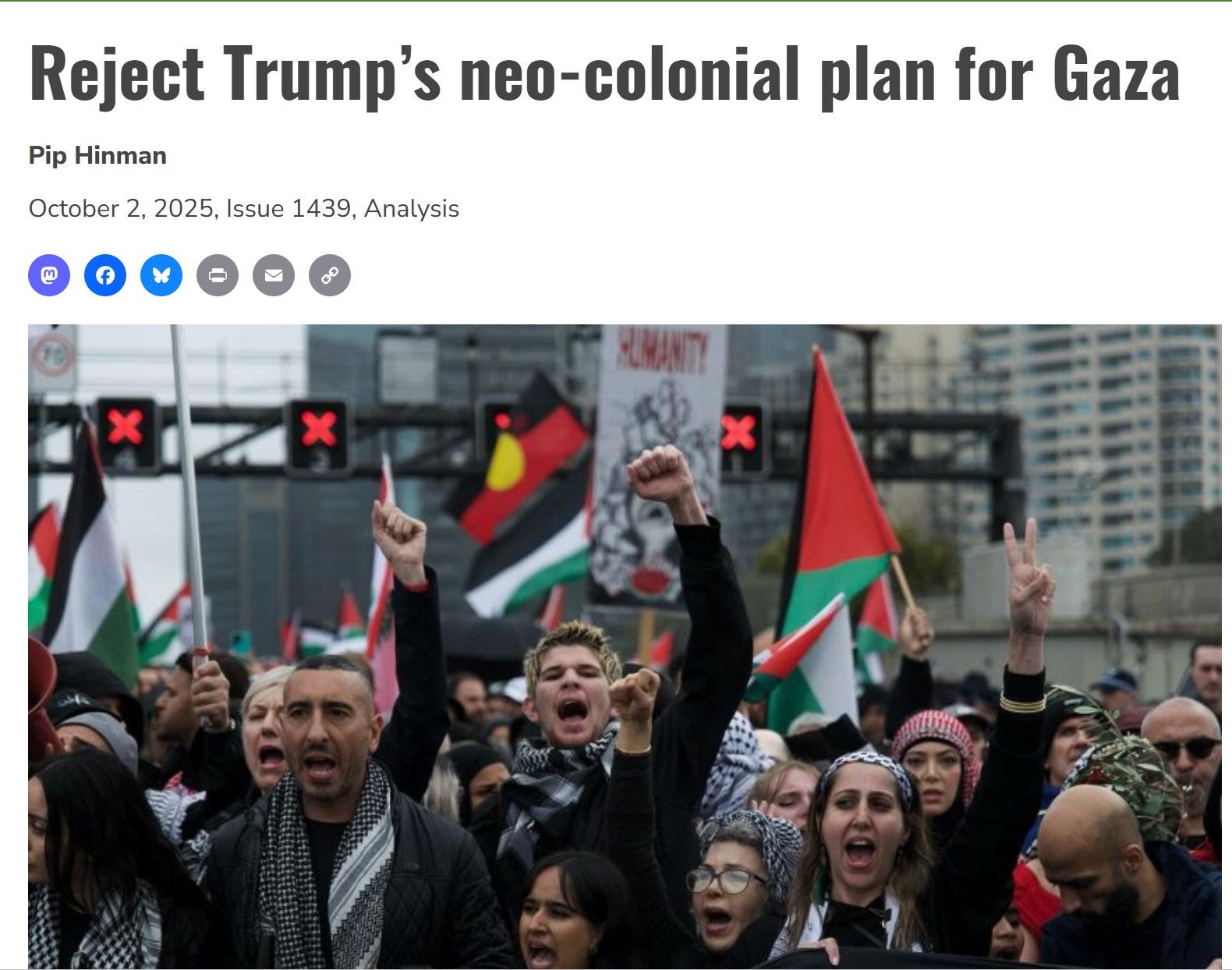
Many of those who have accused Israel of committing genocide were strangely unenthused by the US–Israeli peace proposal. Some condemned it outright as a “neo-colonial” scheme tantamount to “surrender,” and they urged the Palestinians to reject it. UN special rapporteur Francesca Albanese denounced the proposal as the “trap of the century,” and endorsed a thread on X arguing it “should be opposed and rejected.”

It is as if the Nazis had proposed to immediately halt the operation of the extermination camps in 1943 and the Jewish community (or their allies) had rejected it on the grounds of some technicalities about post-Holocaust self-determination. The word “trap” implies that Israel secretly had something worse in store for the Palestinians. Worse than the actual extermination that Albanese alleged was already taking place?
A similar incongruity was evident from the start of this conflict. Anyone who believed the Gaza War was a cover for genocide ought to have been pressing for Egypt to open its border and let civilians escape into the Sinai. But activists did no such thing, and many even reacted with outrage to the mere suggestion that Egypt open the Rafah crossing to Gazan refugees. When Egypt reinforced its borders, despite diplomatic overtures from Israel, and boasted that they were “ready to sacrifice millions of lives so that nobody would approach a grain of sand [in Sinai],” activists backed the Egyptians and condemned Israel. Why, they asked, should Egypt participate in Israel’s “ethnic cleansing”?
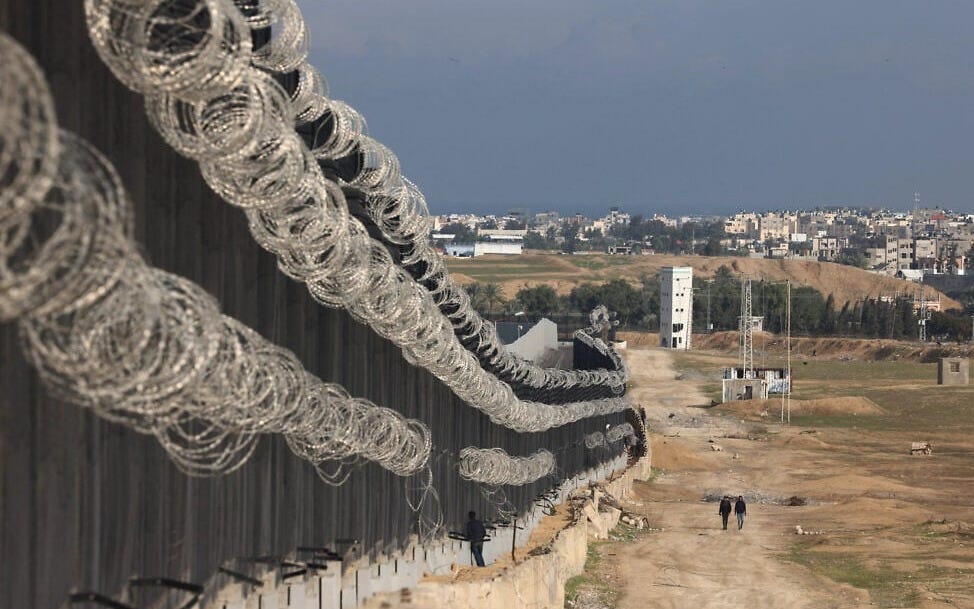
To illustrate the absurdity of this position, consider an analogy: imagine that, after Russia’s invasion in February 2022, the Polish government had closed its border and told the world, “Why should we open our border to Ukrainian refugees? We don’t want a bunch of Nazis in our country.” Bad enough. Now imagine Western activists and NGOs applauding that stance—insisting that Poland bore no responsibility for Russia’s aggression, and that admitting Ukrainians would amount to “ethnic cleansing” because Moscow might never let them return.
It is interesting to consider how many Republicans really believe that Donald Trump won the 2020 election—and how many truly buy into the urban legends about suitcases of ballots hidden under tables or secret late-night dumps of fakes. As Musa al-Gharbi has written, the “Big Lie” seems to be “more about social posturing than making sincere truth claims.” It is clear, however, that there is no future in the Republican Party for anyone unwilling to at least pay lip service to the “Stop the Steal” myth with sufficient fervor. In a similar way, the accusation that Israel is committing genocide in Gaza has become an ideological litmus test—a shibboleth that every progressive of good standing must utter with the expected conviction. No dissent or equivocation is tolerated, and no other form of condemnation of Israel’s conduct will do. The rector of my own university recently warned that any researcher who dares to question the genocide narrative is “crossing a red line” and will not be protected by academic freedom.
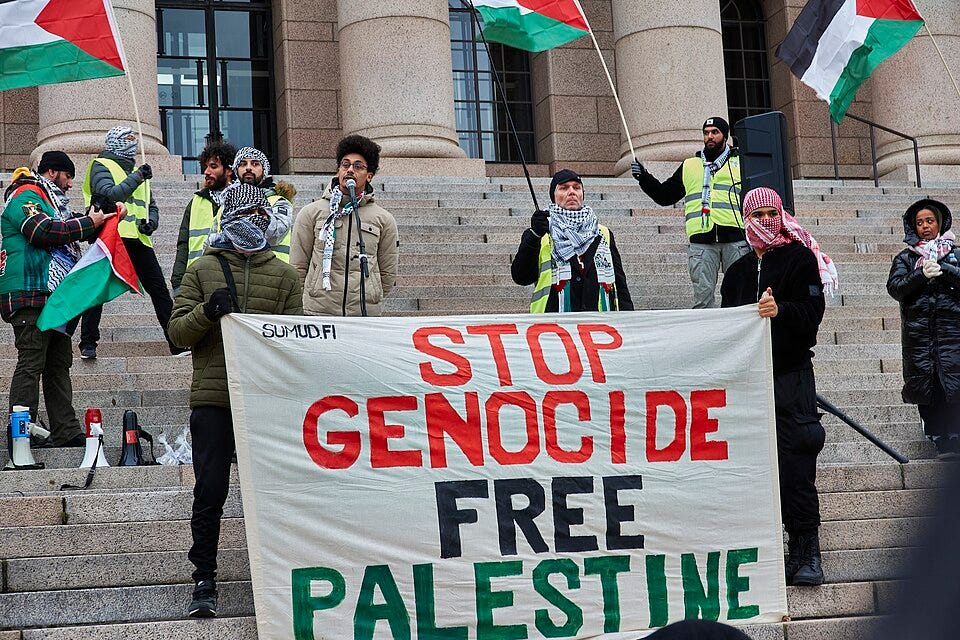
That leaves a psychological question: of all the possible falsehoods progressives could have used to signal tribal loyalty, why have they chosen this one? A clue lies in the recurring allusions to the Holocaust. Long before 7 October, many on the far-left displayed a perverse urge to accuse Jews of the very crime they had suffered. They often did so in the crassest ways, coining portmanteaus like “Zionazism” or “Gazacaust.” This eagerness betrays what the legal scholar Matthew Bolton has called a “taboo-breaking thrill of inverting, and thereby finally cancelling out, the Shoah.” This desire long predates 7 October 2023. As the historian Norman Goda has documented, charges of genocide have been directed at the Jewish state throughout its existence.
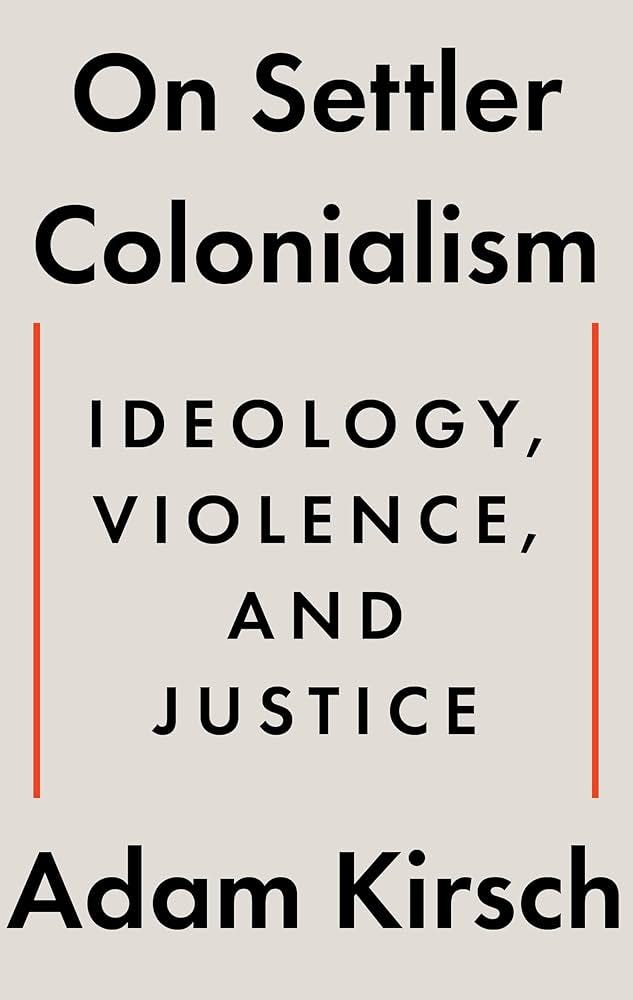
According to the Manichaean victim/oppressor binaries that dominate contemporary progressive discourse, Jews are “white-adjacent” and therefore burdened with all the sins of the colonial West. This logic is reinforced by academic theories of settler-colonialism. As Adam Kirsch notes in his book On Settler Colonialism, these theories consider genocide to be intrinsic to the settler-colonial project itself. Within that framework, Israel’s very existence becomes genocidal: “If Israel is a settler colonial state, and settler colonialism entails genocide, then it is ideologically necessary for Israel to be committing genocide.” As one academic paper on the Gaza war recently expounded, “Genocide is a fundamental feature of the structure of settler colonialism. It is a process and not an event.” Even though the war now appears to be over, Israel will still be committing genocide simply by continuing to exist.
After 7 October, this pathology metastasized, moving from the margins of the academic Left to the progressive mainstream. At European universities, questioning the claim that Israel is committing genocide has become a cancellable offense equivalent to Holocaust denialism. Many of my own colleagues are now afraid to speak their minds on the topic of Gaza. Fortunately, some are starting to push back. Hundreds of scholars recently signed an open letter arguing that “to dilute the legal standards [of genocide] for ideological ends is a form of moral violence.” Yet they remain a small minority. That such an obvious falsehood now enjoys near-unanimous assent across universities, media, civil society, and the NGO ecosystem—with dissent incurring severe social costs—is a damning indictment of the supposed rationality of our liberal institutions.
You're right, there was a pattern of mis-translation or bad-faith interpretation of Israeli leaders' words. It makes you wonder where the independent reporters are. Reporters are supposed to rely not on hearsay but to check primary sources themselves. This clearly did not happen. Instead they engaged in herd behavior. I hope one day in the future we find out more about the pipeline manufacturing global news about Gaza. Perhaps there are a few NGOs or sources that feed ready-made "facts" to large swathes of the global media. The media for some reason reported these facts unquestioningly and this created the illusion of consensus when perhaps they were all relying on the same faulty sources.
In times where activistic forces kept repeating hollow claims of genocide and starvation by a néocolonialist Israël, it is refreshing to get back to historical fact and rational analysis as presented here by Prof.Boudry.